Imported source research draft. Nutrition, health claims and linked references have not been independently verified.
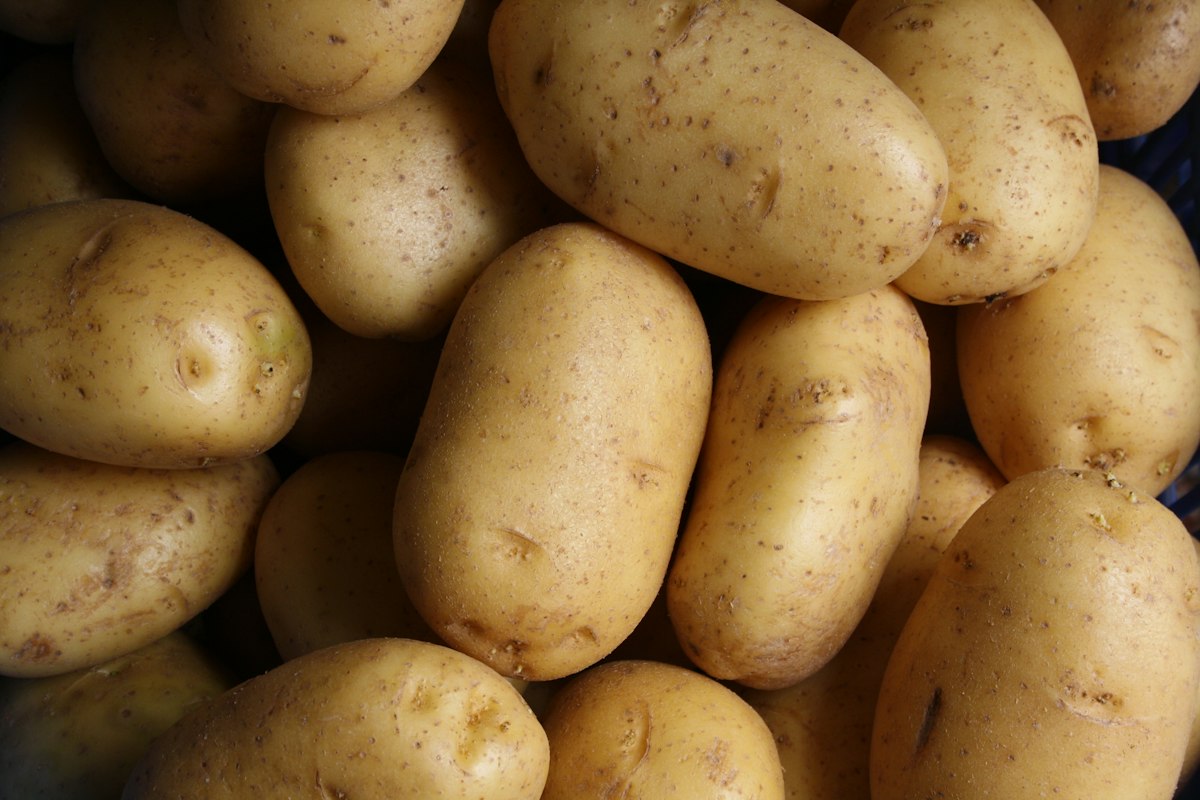
Original source illustration; may show a general food category.
Sweet potatoes are tuberous roots that are high in vitamins, especially vitamin A. They are commonly orange but can also be purple, yellow, or white.
Country stock records are private to assigned managers.
Food-waste calculator
Estimate food you can keep out of the bin by using or sharing it.
Potential food saved1 kg
If you use or share 1 kg of Sweet Potato instead of discarding it, that is 1 kg kept out of the bin.
This uses only your entered amount. It does not claim measured waste reduction or convert pieces and packs into invented weights.
Overview
Sweet potatoes are tuberous roots that are high in vitamins, especially vitamin A. They are commonly orange but can also be purple, yellow, or white.
Origin & history
ancient uses: Used as a staple food, readily eaten by indigenous peoples.
region of origin: South America
country of origin: Peru
historical timeline: year: -2000
event: Domesticated in South America.
year: 1492
event: Introduced to Europe after the Columbian exchange.
cultural significance: Important in various cultures, often associated with harvest festivals.
domestication history: Sweet potatoes have been cultivated for thousands of years, first domesticated in Central and South America.
traditional importance: Used in many traditional dishes and as a food source.
historical trade routes: Introduced to Asian markets via trade.
Growing & production
climate: Tropical and subtropical climates preferred.
diseases: Root rot
Cercospora leaf spot
rainfall: Requires moderate rainfall.
harvesting: Harvested when the leaves start to yellow.
irrigation: Possible but better with well-drained soils.
temperature: Grows best at 24°C to 30°C.
growing season: Approximately 90 to 120 days.
harvest period: Late summer to fall.
yield per acre: 2000 to 3000 pounds
growing regions: North America
South America
Africa
Asia
pest management: Integrated pest management techniques encouraged.
planting methods: Vegetative propagation using slips.
soil requirements: Well-drained sandy loam soils.
organic cultivation: Common vegetable for organic farming.
fertilizer requirements: Organic fertilizers are preferred.
Sweet potatoes are rich in antioxidants and vitamins, particularly beta-carotene, which is good for eye health. They have anti-inflammatory properties and may aid blood sugar regulation.
Health notes
major: Rich in fibre, vitamins A and C, folate, potassium and plant polyphenols.
Low in calories and high in water content — supports weight management and hydration.
Regular vegetable intake is linked to lower rates of cardiovascular disease and type 2 diabetes.
evidence: Consensus among USDA, NIH and WHO reviews is that sweet potato contributes positively to a balanced eating pattern when consumed in appropriate portions.
Storage
freezing: Freezing is possible after cooking.
shelf life: 4 to 8 weeks depending on conditions.
dry storage: Best stored in a dry place.
refrigeration: Not recommended for whole sweet potatoes.
best practices: Keep away from light
Do not refrigerate
common mistakes: Storing in the fridge
Keeping in direct sunlight
storage methods: Cool, dark, and ventilated area
Room temperature
spoilage indicators: Softness
Discoloration
Foul smell
Preparation
cutting: Cut into desired sizes for cooking or storage.
peeling: Peel with a vegetable peeler.
washing: Wipe with a vegetable brush.
cleaning: Wash under cold water to remove dirt.
buying tips: Choose firm and smooth-skinned potatoes without blemishes.
cooking methods: Baking
Boiling
Steaming
Frying
freshness indicators: Hard texture
Bright skin
seasonal buying guide: Best during late summer to early winter.
Practical tips
**Cleaning**
Wash under cold water to remove dirt.
**Washing**
Wipe with a vegetable brush.
**Peeling**
Peel with a vegetable peeler.
**Cutting**
Cut into desired sizes for cooking or storage.
Recipes
name: Sweet Potato Pie
tags: dessert
pie
thanksgiving
tips: Serve warm with whipped cream.
method: Preheat oven to 350°F (175°C).
Mix all ingredients in a bowl until smooth.
Pour into pie crust and bake for 45 minutes.
region: South
country: United States
cuisine: American
servings: 8
cook time: 45 mins
image url: https://example.com/sweetpotatopie.jpg
nutrition: protein: 2
calories: 204
prep time: 15 mins
chef notes: Ensure sweet potatoes are well mashed for a smooth pie.
difficulty: Medium
description: A traditional Southern dessert made with sweet potato mash and spices.
ingredients: 2 cups cooked sweet potato
1 cup sugar
1/2 cup milk
2 eggs
1 tsp cinnamon
1 tsp nutmeg
1 pie crust
recipe source: Grandma's Cookbook
suitable diets: Vegetarian
Transportation
humidity: Relative humidity around 60 to 70%.
packaging: Cardboard boxes or mesh bags generally used.
shelf life: 4 to 8 weeks if stored properly.
shipping methods: Road, sea, and air.
storage temperature: Should be stored in a cool, dry place.
cold chain requirements: Not typically required.
Sustainability
climate resilience: Can withstand varied climate conditions.
sustainable farming: Promoted in many sustainable agriculture programs.
environmental impact: Lower compared to many other staple crops.
organic certification: Widely available as an organic produce.
pollinator importance: Requires pollinators for optimal yield.
regenerative agriculture: Practiced in some regions.
More about this food
Sweet potatoes are often confused with yams, but they are different species.
They can be eaten both baked or boiled, and their versatility makes them a staple in many cuisines globally.
Source references
url: https://www.usda.gov/
type: report
year: 2020
title: Nutritional Benefits of Sweet Potatoes
authors: Smith, John
publisher: USDA
Kerala & United States locality guides
Regional guides; these links do not establish local product availability.