Imported source research draft. Nutrition, health claims and linked references have not been independently verified.
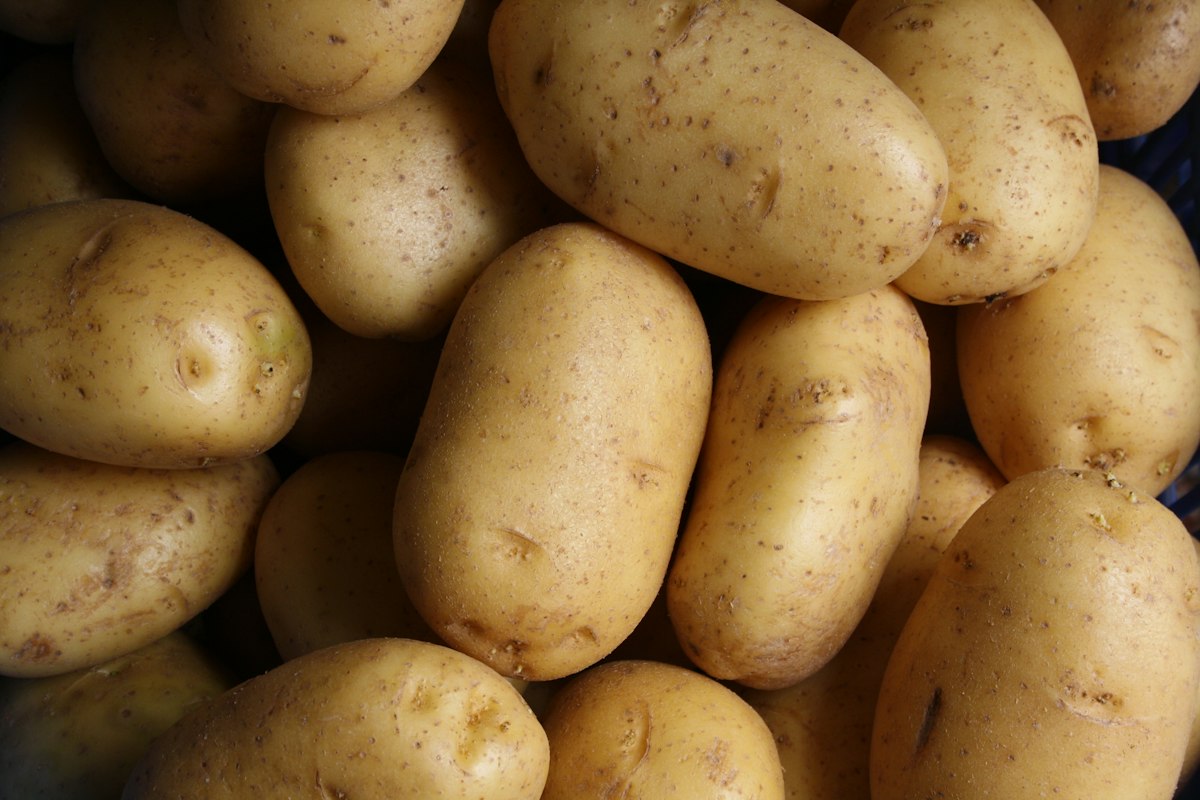
Original source illustration; may show a general food category.
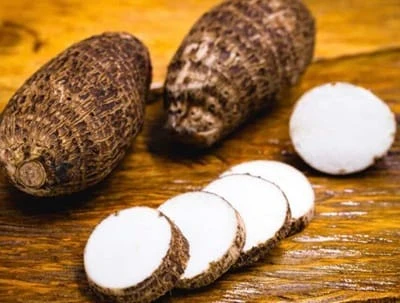
Taro is a tropical plant cultivated for its edible corms and leaves. It is a staple food in many regions and is known for its creamy texture when cooked.
Country stock records are private to assigned managers.
Food-waste calculator
Estimate food you can keep out of the bin by using or sharing it.
Potential food saved1 kg
If you use or share 1 kg of Taro instead of discarding it, that is 1 kg kept out of the bin.
This uses only your entered amount. It does not claim measured waste reduction or convert pieces and packs into invented weights.
Taro is a tropical plant cultivated for its edible corms and leaves. It is a staple food in many regions and is known for its creamy texture when cooked.
Origin & history
ancient uses: Used in traditional rituals and as a food source.
region of origin: Pacific Islands
country of origin: Southeast Asia
historical timeline: year: 2000
event: First evidence of taro cultivation in Southeast Asia.
cultural significance: Considered a staple in Pacific Island diets and cultures.
domestication history: Taro has been domesticated for over 2000 years.
traditional importance: Often used in festive dishes.
historical trade routes: Part of ancient trade routes across the Pacific Islands.
Growing & production
climate: Tropical to subtropical
diseases: Taro leaf blight
Bacterial blight
rainfall: High rainfall; prefers a moisture-rich environment
harvesting: After about 6-12 months when leaves start to yellow
irrigation: Frequent irrigation is needed to keep the soil moist
temperature: 20°C to 35°C
growing season: Year-round in tropical climates
harvest period: Varies by region, generally 6-12 months
yield per acre: 5-10 tons
growing regions: Southeast Asia
Pacific Islands
Sub-Saharan Africa
pest management: Monitor for pests like root knot nematodes and taro beetles
planting methods: Usually grown from corms
soil requirements: Well-drained, nutrient-rich soil
organic cultivation: Possible using natural fertilizers and pest management
fertilizer requirements: Rich organic matter; regular feeding with balanced fertilizers
Nutrition draft
per 100g: fat g: 0.1
carbs g: 26.5
fiber g: 4.1
iron mg: 0.57
sugar g: 0.4
water g: 75.36
zinc mg: 0.24
calories: 112
protein g: 2.02
sodium mg: 6
calcium mg: 18
folate mcg: 22
magnesium mg: 25
potassium mg: 508
vitamin a iu: 2
vitamin c mg: 4.8
saturated fat g: 0.03
per serving: fat g: 0.1
carbs g: 26.5
calories: 112
protein g: 2.02
serving size: 100 g
Nutrition notes
Taro is a good source of carbohydrates and provides a range of vitamins and minerals, making it beneficial for overall health. It supports digestive health due to its high fiber content.
Health notes
major: Rich in fibre, vitamins A and C, folate, potassium and plant polyphenols.
Low in calories and high in water content — supports weight management and hydration.
Regular vegetable intake is linked to lower rates of cardiovascular disease and type 2 diabetes.
evidence: Consensus among USDA, NIH and WHO reviews is that taro contributes positively to a balanced eating pattern when consumed in appropriate portions.
Storage
freezing: Can be frozen after cooking
shelf life: 2-3 weeks when stored properly
dry storage: Avoid; can dry out
refrigeration: Extends shelf life significantly
best practices: Store in breathable containers
Keep away from light
common mistakes: Storing in airtight containers
Exposing to direct sunlight
storage methods: Cool, dark place
Refrigeration
spoilage indicators: Soft spots
Discoloration
Preparation
cutting: Cut into desired shapes before cooking.
peeling: Peel with a knife after cooking for easier handling.
washing: Use a brush to scrub off dirt before cooking.
cleaning: Rinse thoroughly under cool running water.
buying tips: Select firm, unblemished corms
cooking methods: Boiling
Steaming
Baking
Frying
freshness indicators: Firmness
No mold signs
seasonal buying guide: Best bought in spring and summer when they are freshly harvested.
Practical tips
**Cleaning**
Rinse thoroughly under cool running water.
**Washing**
Use a brush to scrub off dirt before cooking.
**Peeling**
Peel with a knife after cooking for easier handling.
**Cutting**
Cut into desired shapes before cooking.
Recipes
name: Taro Cake
tags: dessert
steamed
coconut
tips: Garnish with coconut flakes for added flavor.
method: Steam the taro until soft.
Mash the taro and mix with other ingredients.
Pour into a mold and steam for 40 minutes.
region: Sichuan
country: China
cuisine: Chinese
servings: 4
cook time: 40 minutes
image url: https://example.com/tarocake.jpg
nutrition: fat: 2
carbs: 36
protein: 3
calories: 180
prep time: 20 minutes
video url: https://example.com/tarocakevideo
chef notes: Ensure taro is well cooked to avoid a raw taste.
difficulty: Medium
description: A steamy, sweet cake made from grated taro and coconut milk.
ingredients: 300g taro
200ml coconut milk
100g sugar
1 tsp baking powder
150g flour
1/2 tsp salt
youtube url: https://youtube.com/tarocakevideo
recipe source: Chinese Cuisine Cookbook
suitable diets: Vegetarian
Transportation
humidity: High humidity during transportation
packaging: Breathable bags or crates
shelf life: 2-3 weeks in cool storage
shipping methods: Air and sea freight
storage temperature: Cool conditions preferred
cold chain requirements: Maintained at 7°C
Sustainability
climate resilience: Adaptable to various humid conditions.
sustainable farming: Taro can be grown using sustainable practices such as crop rotation.
environmental impact: Can contribute to soil health when grown properly.
pollinator importance: Key for maintaining biodiversity in tropical ecosystems.
More about this food
Taro is one of the oldest cultivated plants, with a history dating back over 2000 years.
The plant is rich in carbohydrates and is often used as a substitute for potatoes.
Source references
url: https://www.fao.org/taro
type: report
year: 2021
title: Taro Cultivation and Use
authors: Food and Agriculture Organization
publisher: FAO
Kerala & United States locality guides
Regional guides; these links do not establish local product availability.

 Taro (Chembu)