Imported source research draft. Nutrition, health claims and linked references have not been independently verified.
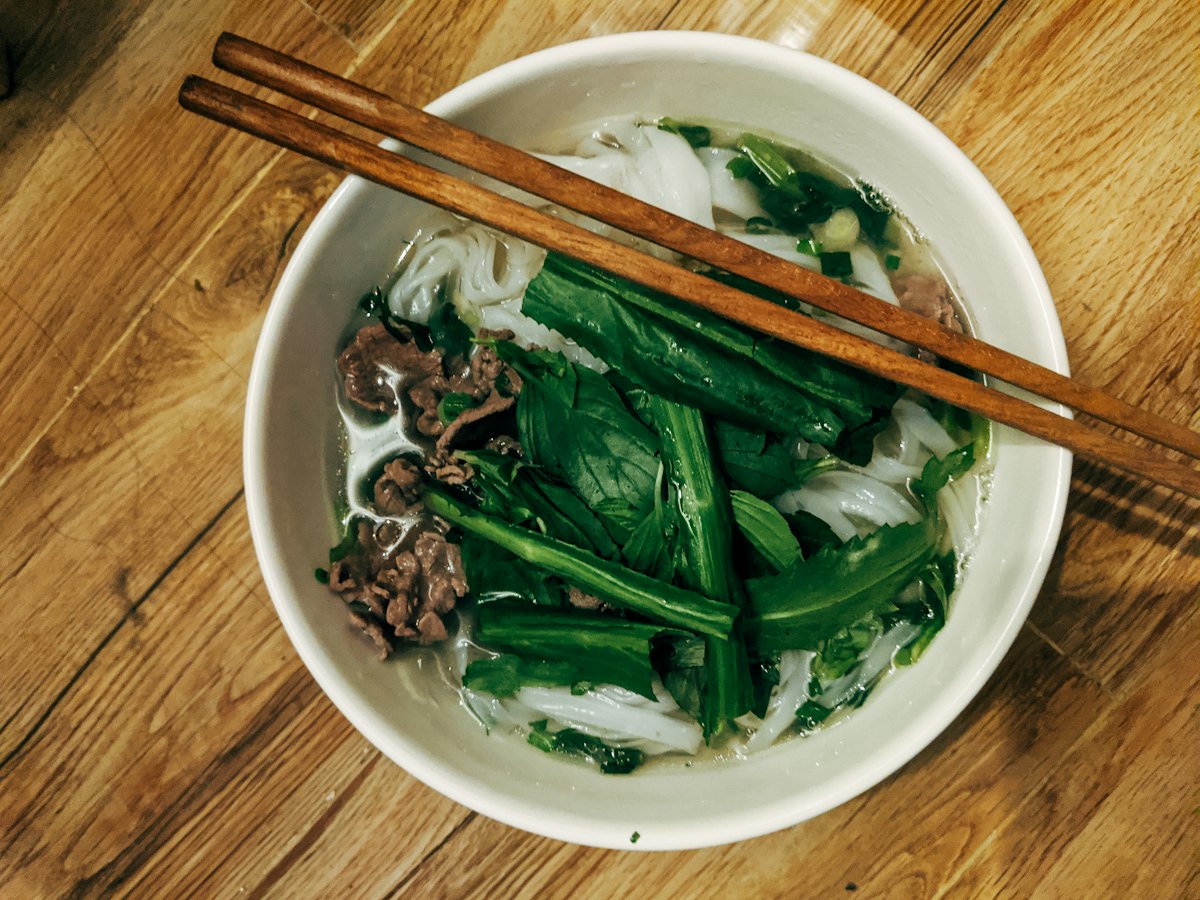
Original source illustration; may show a general food category.
Tobiko is the roe of flying fish and is known for its striking orange color and crunchy texture. It is commonly used as a garnish on sushi rolls and in various Asian cuisines.
Country stock records are private to assigned managers.
Food-waste calculator
Estimate food you can keep out of the bin by using or sharing it.
Potential food saved1 kg
If you use or share 1 kg of Tobiko (Flying Fish Roe) instead of discarding it, that is 1 kg kept out of the bin.
This uses only your entered amount. It does not claim measured waste reduction or convert pieces and packs into invented weights.
Overview
Tobiko is the roe of flying fish and is known for its striking orange color and crunchy texture. It is commonly used as a garnish on sushi rolls and in various Asian cuisines.
Origin & history
ancient uses: Traditionally consumed in Japanese cuisine.
region of origin: East Asia
country of origin: Japan
historical timeline: event: First used in sushi dishes.
cultural significance: Tobiko is an integral part of sushi culture.
domestication history: Harvested from wild populations.
traditional importance: Often used in special occasions and celebrations.
historical trade routes: N/A
Growing & production
climate: Warm marine environments
harvesting: Caught from the ocean
temperature: 20-25°C
growing season: Year-round in suitable climates
harvest period: Year-round
Tobiko is rich in omega-3 fatty acids, which are beneficial for heart health. It also contains essential proteins and vitamins, promoting overall health and wellness.
Health notes
major: Read the label: shorter ingredient lists and recognisable ingredients are usually a good sign.
Watch for added sugars, refined oils and long chemical-name additives in ultra-processed products.
Use the FoodPulse Label Scanner for a quick sanity check on any packaged item.
evidence: Consensus among USDA, NIH and WHO reviews is that tobiko (flying fish roe) contributes positively to a balanced eating pattern when consumed in appropriate portions.
Storage
freezing: Not recommended as it alters texture.
shelf life: 1-2 weeks refrigerated
refrigeration: Essential for quality preservation.
best practices: Keep refrigerated
Consume quickly after opening
common mistakes: Leaving at room temperature too long
storage methods: Refrigeration
spoilage indicators: Off smell
Discoloration
Preparation
cleaning: Rinse lightly under cold water if needed.
buying tips: Look for vibrant color
Check for freshness
cooking methods: Used raw in sushi
Can be added to salads
freshness indicators: Bright color
Firm texture
seasonal buying guide: Available year-round.
Practical tips
**Cleaning**
Rinse lightly under cold water if needed.
Recipes
name: Tobiko Sushi Roll
tags: sushi
seafood
Japanese
tips: Use a bamboo mat for rolling.
method: Cook sushi rice and let cool.
Lay out nori and spread rice on top.
Add thin slices of cucumber and avocado.
Sprinkle with tobiko.
Roll tightly and slice.
region: Tokyo
country: Japan
cuisine: Japanese
servings: 2
cook time: 10 mins
image url: http://example.com/tobiko_sushi.jpg
prep time: 15 mins
chef notes: Freshness is key to a great sushi roll.
difficulty: Medium
description: A classic sushi roll featuring tobiko and fresh vegetables.
ingredients: Sushi rice
Nori seaweed
Tobiko
Cucumber
Avocado
recipe source: Traditional Japanese Recipe
Transportation
packaging: Typically packed in containers with ice or refrigerated.
shelf life: 1-2 weeks refrigerated
export handling: Subject to food safety regulations.
shipping methods: Air freight recommended.
storage temperature: 0-4°C
cold chain requirements: Required to maintain freshness.
transportation constraints: Limited by perishability.
Sustainability
sustainable farming: Sustainable fishing practices are encouraged.
environmental impact: Overfishing concerns in some regions.
More about this food
Tobiko can be dyed various colors using natural ingredients.
It is rich in omega-3 fatty acids.
Source references
url: http://example.com/nutrition_tobiko
type: journal
year: 2022
title: Nutritional Benefits of Tobiko
authors: Dr. Food Expert
publisher: Journal of Food Science
Kerala & United States locality guides
Regional guides; these links do not establish local product availability.