Imported source research draft. Nutrition, health claims and linked references have not been independently verified.
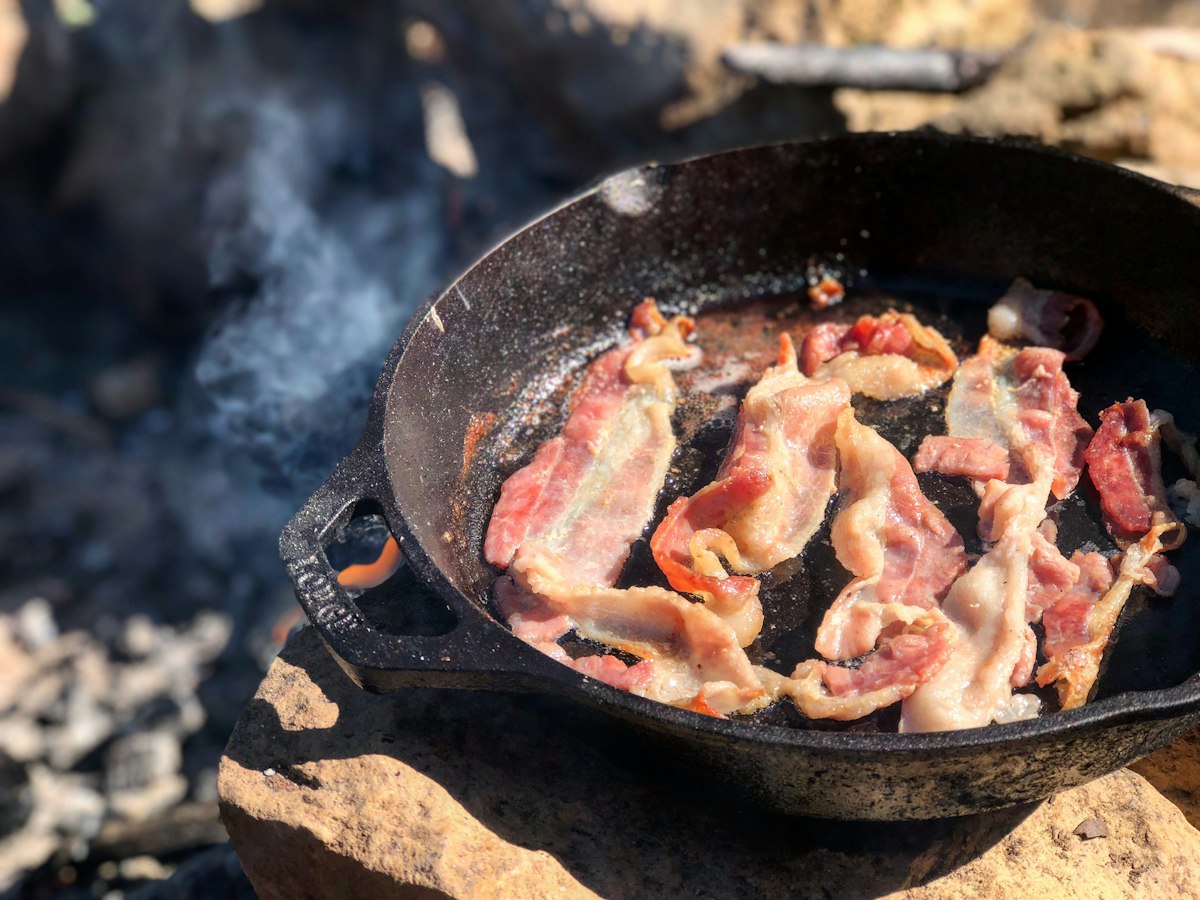
Original source illustration; may show a general food category.
Turkey bacon is a popular alternative to pork bacon, made from minced turkey that is seasoned, cured, and smoked or cooked to achieve a similar taste and appearance to traditional bacon. It is typically lower in fat and calories than its pork counterpart.
Country stock records are private to assigned managers.
Food-waste calculator
Estimate food you can keep out of the bin by using or sharing it.
Potential food saved1 kg
If you use or share 1 kg of Turkey Bacon instead of discarding it, that is 1 kg kept out of the bin.
This uses only your entered amount. It does not claim measured waste reduction or convert pieces and packs into invented weights.
Overview
Turkey bacon is a popular alternative to pork bacon, made from minced turkey that is seasoned, cured, and smoked or cooked to achieve a similar taste and appearance to traditional bacon. It is typically lower in fat and calories than its pork counterpart.
Origin & history
ancient uses: Turkeys were used for their meat and feathers in Native American cultures.
region of origin: North America
country of origin: United States
historical timeline: year: 1940
event: The first commercial production of turkey bacon began.
domestication history: Turkeys were domesticated by indigenous peoples in North America over 2,000 years ago.
Growing & production
climate: Temperate
growing regions: United States
Canada
Mexico
organic cultivation: Available from organic farms.
Turkey bacon is lower in fat and calories than traditional bacon, making it a heart-healthier option. It also provides a good source of protein while being lower in sodium than some processed meats. Regular consumption can support muscle health, though it should be consumed in moderation due to potential preservatives and additives.
Health notes
major: Read the label: shorter ingredient lists and recognisable ingredients are usually a good sign.
Watch for added sugars, refined oils and long chemical-name additives in ultra-processed products.
Use the FoodPulse Label Scanner for a quick sanity check on any packaged item.
evidence: Consensus among USDA, NIH and WHO reviews is that turkey bacon contributes positively to a balanced eating pattern when consumed in appropriate portions.
Storage
freezing: Can be frozen for extended storage.
shelf life: 3-4 weeks refrigerated, 6 months frozen.
refrigeration: Store in the coldest part of the refrigerator.
best practices: Use within a week of opening.
Keep sealed until use.
common mistakes: Allowing it to sit at room temperature for too long.
storage methods: Refrigerate
Freeze
spoilage indicators: Off smell
Color changes
Preparation
washing: Rinse before cooking if necessary.
cleaning: No specific cleaning required.
buying tips: Check the expiration date.
Look for a high protein content.
cooking methods: Pan-frying
Grilling
Baking
freshness indicators: Firm texture
Resilient packaging
Practical tips
**Cleaning**
No specific cleaning required.
**Washing**
Rinse before cooking if necessary.
Recipes
name: Turkey Bacon Breakfast Sandwich
tags: breakfast
easy
healthy
tips: Use avocado for a healthy fat addition.
method: Cook turkey bacon in a skillet until crispy.
Fry eggs in the same skillet.
Toast bread.
Assemble the sandwich with cheese.
region: North America
country: United States
cuisine: American
servings: 2
cook time: 5 minutes
image url: https://example.com/image.jpg
nutrition: fat g: 10
calories: 300
protein g: 20
prep time: 10 minutes
chef notes: Great for a quick breakfast or brunch option.
difficulty: Easy
description: A quick and easy breakfast sandwich using turkey bacon.
ingredients: 2 slices turkey bacon
2 eggs
2 slices whole-grain bread
1 slice cheese
Salt
Pepper
recipe source: Family Recipe
suitable diets: Low-carb
High-protein
Transportation
packaging: Typically vacuum sealed.
shelf life: 3-4 weeks when refrigerated; up to 6 months when frozen.
shipping methods: Refrigerated transport.
storage temperature: 0-4°C (32-39°F)
cold chain requirements: Required to maintain freshness.
transportation constraints: Must be kept refrigerated or frozen.
Sustainability
sustainable farming: Many producers are adopting sustainable practices to raise turkeys.
environmental impact: Lower environmental impact compared to traditional pork bacon.
organic certification: Available from certified producers.
More about this food
Turkey bacon is often marketed as a healthier option and is popular among those following lower-fat or lower-sodium diets.