Imported source research draft. Nutrition, health claims and linked references have not been independently verified.
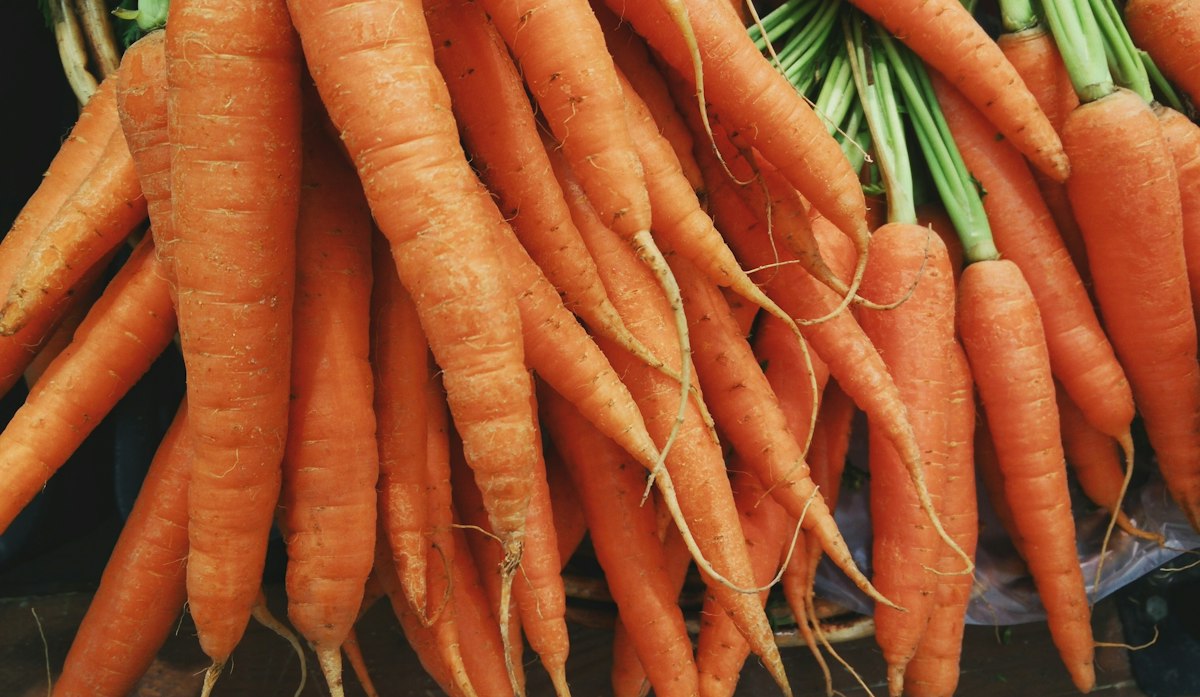
Original source illustration; may show a general food category.
White carrots are a milder tasting variety of carrots that lack the orange pigmentation, making them a unique choice for culinary use. They are crunchy and slightly sweet and can be used in various dishes.
Country stock records are private to assigned managers.
Food-waste calculator
Estimate food you can keep out of the bin by using or sharing it.
Potential food saved1 kg
If you use or share 1 kg of White Carrot instead of discarding it, that is 1 kg kept out of the bin.
This uses only your entered amount. It does not claim measured waste reduction or convert pieces and packs into invented weights.
Overview
White carrots are a milder tasting variety of carrots that lack the orange pigmentation, making them a unique choice for culinary use. They are crunchy and slightly sweet and can be used in various dishes.
Origin & history
ancient uses: Used as food and medicinal compound in ancient civilizations.
region of origin: Middle East
country of origin: Afghanistan
historical timeline: year: 500
event: Cultivation of carrots in Persia.
cultural significance: Regarded as a versatile vegetable in various cuisines.
domestication history: Domesticated from wild carrots over thousands of years.
traditional importance: Traditionally used in stews and soups.
historical trade routes: Along the Silk Road.
Growing & production
climate: Temperate
diseases: Carrot rust flies
Bacterial blight
rainfall: Moderate, around 30 cm per year.
harvesting: Typically harvested when they are 10-15 cm in length.
irrigation: Requires regular watering, especially in dry spells.
temperature: Optimal growth at 16-22 °C.
growing season: Spring to early summer.
harvest period: Late summer to early fall.
yield per acre: 30,000 to 50,000 pounds.
growing regions: North America
Europe
Asia
pest management: Crop rotation and natural predators.
planting methods: Direct sowing in well-prepared soil.
soil requirements: Sandy loam with good drainage.
organic cultivation: Commonly practiced with non-GMO seeds.
fertilizer requirements: Balanced fertilizer to support growth.
White carrots are rich in vitamins and low in calories, making them an excellent choice for those wanting to maintain a healthy diet. They support eye health and can aid in digestion.
Health notes
major: Rich in fibre, vitamins A and C, folate, potassium and plant polyphenols.
Low in calories and high in water content — supports weight management and hydration.
Regular vegetable intake is linked to lower rates of cardiovascular disease and type 2 diabetes.
evidence: Consensus among USDA, NIH and WHO reviews is that white carrot contributes positively to a balanced eating pattern when consumed in appropriate portions.
Storage
freezing: Can be blanched and frozen.
shelf life: Up to 2 months in cold storage.
refrigeration: Best kept in vegetable drawers.
best practices: Keep dry
Avoid ethylene producers
common mistakes: Storing in sealed bags without ventilation.
storage methods: Refrigeration
Controlled atmosphere
spoilage indicators: Softening
Mold
controlled atmosphere storage: Extended shelf life in low oxygen.
Preparation
cutting: Best cut into sticks or rounds for even cooking.
peeling: Peeling may be optional based on personal preference.
washing: Remove dirt and debris.
cleaning: Rinse thoroughly under running water.
buying tips: Choose firm, unfaded specimens.
cooking methods: Steaming
Roasting
Boiling
freshness indicators: Firm texture
Vibrant color
seasonal buying guide: Best in spring and autumn.
Practical tips
**Cleaning**
Rinse thoroughly under running water.
**Washing**
Remove dirt and debris.
**Peeling**
Peeling may be optional based on personal preference.
**Cutting**
Best cut into sticks or rounds for even cooking.
Recipes
name: White Carrot Soup
tags: soup
carrots
vegan
tips: Serve with fresh herbs.
method: Chop the carrots and onion.
Sauté the onion in a pot.
Add the carrots and stock.
Cook until soft.
Blend until smooth.
region: Provence
country: France
cuisine: French
servings: 4
cook time: 30 minutes
image url: https://example.com/white-carrot-soup.jpg
nutrition: fat: 2
carbs: 15
protein: 2
calories: 85
prep time: 15 minutes
chef notes: Adding a dollop of cream enhances flavor.
difficulty: Easy
description: A creamy and delicious soup made with white carrots.
ingredients: 4 white carrots
1 onion
2 cups vegetable stock
Salt
Pepper
recipe source: Local French Cookbook
suitable diets: Vegan
Transportation
humidity: Maintained at around 90%.
packaging: Cardboard boxes with ventilation.
shelf life: 1-3 weeks under proper conditions.
shipping methods: Refrigerated trucks.
storage temperature: Ideal at 2 °C.
cold chain requirements: Maintained at 0-4 °C.
transportation constraints: Distance from growing areas can affect freshness.
Sustainability
climate resilience: Adaptable to various climates.
sustainable farming: Promoted in organic farming practices.
environmental impact: Low, with proper farming practices.
organic certification: Available for many varieties.
pollinator importance: Supports local bee populations.
regenerative agriculture: Encouraged through crop rotation.
More about this food
White carrots were historically more common before orange carrots became popular.
This variety is often sweeter than orange carrots and contains less beta-carotene.
Source references
url: https://example.com/research
type: report
year: 2021
title: Nutritional Benefits of Carrots
authors: Dr. Jane Doe
publisher: Institute of Food Science
Kerala & United States locality guides
Regional guides; these links do not establish local product availability.