Imported source research draft. Nutrition, health claims and linked references have not been independently verified.
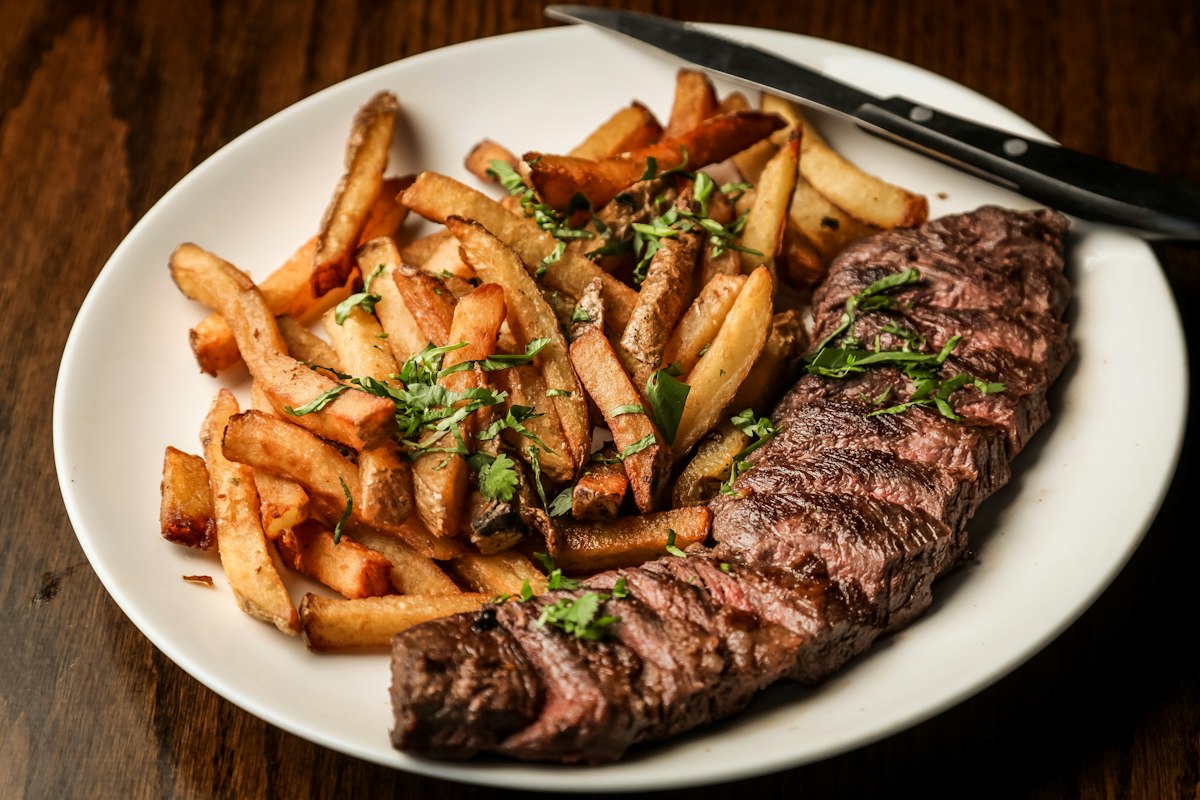
Original source illustration; may show a general food category.
Whole goose is meat from the European domestic goose. It features a distinctive flavor and a high-fat content that makes it popular for roasting. It is often served during special occasions and traditional holiday meals.
Country stock records are private to assigned managers.
Food-waste calculator
Estimate food you can keep out of the bin by using or sharing it.
Potential food saved1 kg
If you use or share 1 kg of Whole Goose instead of discarding it, that is 1 kg kept out of the bin.
This uses only your entered amount. It does not claim measured waste reduction or convert pieces and packs into invented weights.
Overview
Whole goose is meat from the European domestic goose. It features a distinctive flavor and a high-fat content that makes it popular for roasting. It is often served during special occasions and traditional holiday meals.
Origin & history
ancient uses: In ancient times, geese were raised for their meat, feathers, and eggs.
region of origin: Asia
country of origin: China
historical timeline: year: 2000
event: Geese domesticated in ancient China.
year: 1700
event: Goose farming regulatory practices established in Europe.
cultural significance: Goose is considered a delicacy in many cultures and often associated with festive meals.
domestication history: The domestication of geese likely began over 3,000 years ago.
traditional importance: Roasted goose is a traditional dish in various European countries during Christmas and Thanksgiving celebrations.
historical trade routes: Geese were traded along the Silk Road due to their recognized value.
Growing & production
climate: Temperate to warm climate is preferred.
harvesting: Geese are typically harvested in the late fall or early winter.
temperature: Optimal temperature range is between 10°C to 25°C.
growing season: Throughout the year, although peak seasons vary by region.
harvest period: Late autumn to winter.
growing regions: Eastern Europe
China
North America
organic cultivation: Organic practices are encouraged, focusing on free-range environments.
Nutrition draft
per 100g: fat g: 30
carbs g: 0
fiber g: 0
iron mg: 2.5
sugar g: 0
water g: 62
zinc mg: 2.4
calories: 337
protein g: 21
sodium mg: 57
calcium mg: 12
folate mcg: 6
magnesium mg: 24
potassium mg: 223
vitamin a iu: 150
vitamin c mg: 0
vitamin k mcg: 0
saturated fat g: 9
amino acids: valine: 1
leucine: 1.2
isoleucine: 0.8
per serving: fat g: 45
carbs g: 0
calories: 505
protein g: 31.5
serving size: 150g
trace minerals: copper: 0.16
manganese: 0.02
Nutrition notes
Whole goose meat is a rich source of protein and healthy fats. It is also a source of essential minerals, including iron and zinc, which play vital roles in metabolic functions and immune health.
Health notes
major: Lean, complete protein — supports muscle, bone and skin health.
Good source of niacin, vitamin B6, phosphorus and selenium.
Skinless cuts keep saturated fat low without sacrificing flavour.
evidence: Consensus among USDA, NIH and WHO reviews is that whole goose contributes positively to a balanced eating pattern when consumed in appropriate portions.
Storage
freezing: Can be frozen for up to 12 months.
shelf life: Fresh: 3 days, Frozen: 12 months.
refrigeration: Refrigerated goose should be cooked within 2-3 days.
best practices: Keep refrigerated at all times.
Thaw in the refrigerator.
common mistakes: Not properly cooling after cooking.
Refreezing thawed goose.
storage methods: Refrigeration
Freezing
spoilage indicators: Off smell
Slimy texture
Preparation
cutting: Cut away excess fat if necessary.
washing: Use clean utensils to avoid contamination.
cleaning: Thoroughly rinse under cold water.
buying tips: Choose fresh, locally sourced geese when possible.
cooking methods: Roasting
Grilling
freshness indicators: Bright eyes
Firm flesh
seasonal buying guide: Best purchased during autumn and winter.
Practical tips
**Cleaning**
Thoroughly rinse under cold water.
**Washing**
Use clean utensils to avoid contamination.
**Cutting**
Cut away excess fat if necessary.
Recipes
name: Roast Goose with Apples
tags: Main Course
Roast
Festive
tips: Let the goose rest before carving.
method: Preheat oven to 180°C.
Stuff the goose with apples and onions.
Season the outside with salt, pepper, and thyme.
Roast for 1 hour, then reduce heat and continue roasting until internal temperature reaches 75°C.
region: Bavaria
country: Germany
cuisine: German
servings: 6
cook time: 2 hours
image url: https://example.com/roast_goose.jpg
prep time: 30 minutes
video url: https://example.com/roast_goose_video.mp4
chef notes: Use a meat thermometer to ensure perfect doneness.
difficulty: Medium
description: A traditional German dish featuring a roasted goose served with apples.
ingredients: Whole goose
Apples
Onions
Salt
Pepper
Thyme
youtube url: https://youtube.com/example_roast_goose
recipe source: Traditional German Cookbook
Transportation
packaging: Vacuum sealed packaging preferred.
shelf life: Frozen goose can last up to a year; fresh goose should be consumed within several days.
shipping methods: Air and refrigerated truck transport.
storage temperature: Should be stored at 0-4°C for fresh and below -18°C for frozen.
cold chain requirements: Maintained at 0-4°C.
Sustainability
sustainable farming: Encouraged to ensure humane treatment of animals.
organic certification: Available from various farms.
regenerative agriculture: Being adopted by certain breeders.
More about this food
Geese can be raised for both their meat and eggs.
Goose meat is a traditional dish in many cultures, often prepared during holidays.
Source references
url: https://www.sciencedirect.com...
type: journal
year: 2020
title: Meat Science
authors: James Smith
publisher: Elsevier
Kerala & United States locality guides
Regional guides; these links do not establish local product availability.