Imported source research draft. Nutrition, health claims and linked references have not been independently verified.
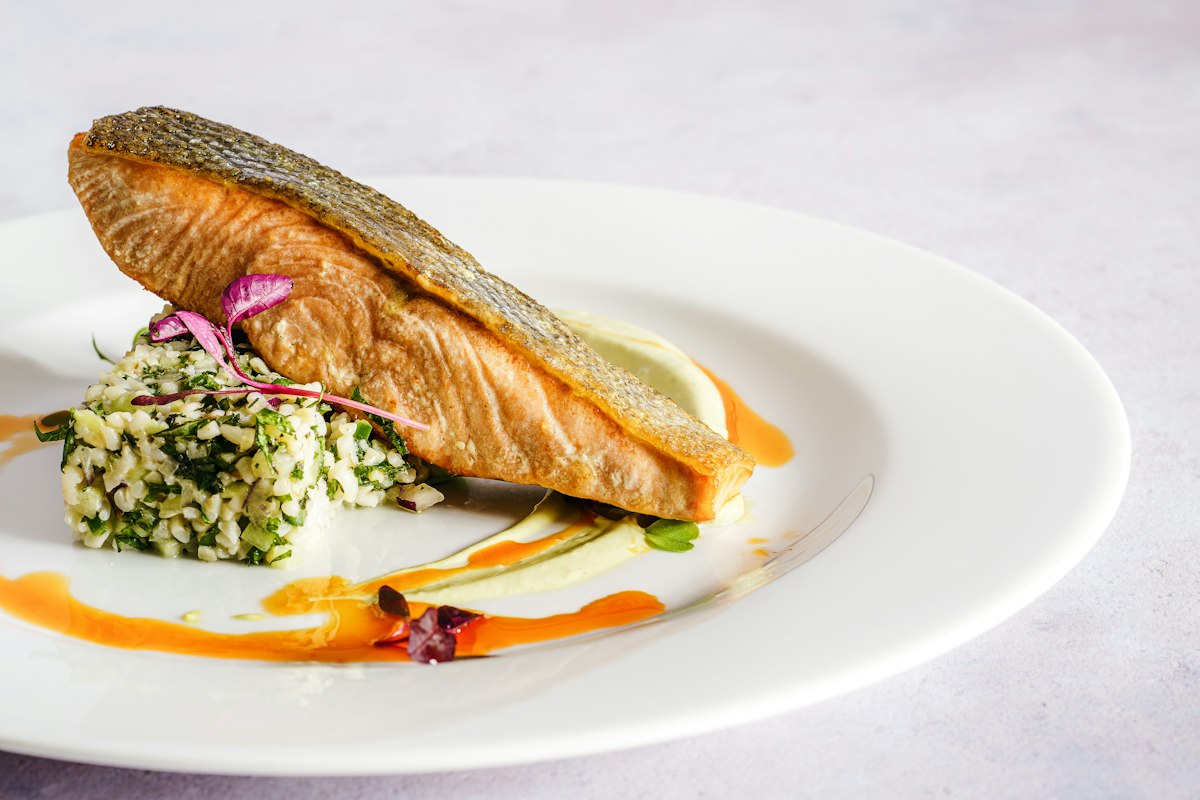
Original source illustration; may show a general food category.
Atlantic Salmon are anadromous fish that are born in freshwater, migrate to the ocean, and return to freshwater to reproduce. They are distinguished by their pink flesh, rich taste, and significant health benefits.
Country stock records are private to assigned managers.
Food-waste calculator
Estimate food you can keep out of the bin by using or sharing it.
Potential food saved1 kg
If you use or share 1 kg of Atlantic Salmon instead of discarding it, that is 1 kg kept out of the bin.
This uses only your entered amount. It does not claim measured waste reduction or convert pieces and packs into invented weights.
Overview
Atlantic Salmon are anadromous fish that are born in freshwater, migrate to the ocean, and return to freshwater to reproduce. They are distinguished by their pink flesh, rich taste, and significant health benefits.
Origin & history
ancient uses: Used as a staple food by coastal indigenous communities.
region of origin: North Atlantic
country of origin: Norway
historical timeline: year: 2000
event: Massive increases in Atlantic salmon farming.
year: 2005
event: Aquaculture production overtakes wild catches.
cultural significance: Highly valued in Nordic and Celtic cultures, often featured in traditional diets and festivals.
domestication history: Atlantic Salmon has been farmed since the 19th century.
traditional importance: Considered a symbol of prosperity and health.
historical trade routes: Early trade routes for salmon included paths along the Atlantic coasts of North America and Europe.
Growing & production
climate: Cold to temperate waters
diseases: Salmonella
Viral Diseases
harvesting: Usually harvested after 18 to 24 months in captivity.
temperature: Optimal growth at 14-16°C
growing season: Year-round in aquaculture
harvest period: Continuous throughout the year in aquaculture.
growing regions: Norway
Canada
Scotland
Chile
pest management: Regular monitoring and treatments for sea lice and other parasites.
planting methods: Hatching in freshwater hatcheries, then transfer to sea cages.
organic cultivation: Available but less common compared to conventional methods.
Nutrition draft
per 100g: fat g: 13.4
carbs g: 0
fiber g: 0
iron mg: 0.8
sugar g: 0
water g: 64
zinc mg: 0.6
calories: 206
omega3 g: 2
protein g: 20.5
sodium mg: 60
calcium mg: 9
folate mcg: 25
magnesium mg: 29
potassium mg: 384
vitamin a iu: 50
vitamin c mg: 0
vitamin k mcg: 0
saturated fat g: 3.1
amino acids: lysine: 2.4
methionine: 0.6
per serving: fat g: 13.4
carbs g: 0
calories: 206
protein g: 20.5
serving size: 100 g
phytochemicals: Astaxanthin
trace minerals: cobalt: 0.1
copper: 0.09
Nutrition notes
Atlantic Salmon is high in omega-3 fatty acids, which are beneficial for heart health, brain function, and reduced inflammation. Regular consumption may aid in weight management and improve overall well-being.
Health notes
major: Rich in long-chain omega-3 fatty acids (EPA and DHA) that support heart and brain health.
High-quality complete protein plus vitamin D, iodine and selenium.
Two servings of fatty fish per week is linked to reduced cardiovascular risk.
evidence: Consensus among USDA, NIH and WHO reviews is that atlantic salmon contributes positively to a balanced eating pattern when consumed in appropriate portions.
Storage
freezing: Wrap tightly to prevent freezer burn.
shelf life: Up to 2 days refrigerated; up to 6 months frozen.
refrigeration: Best kept at 0-4°C.
best practices: Use airtight containers
Consume fresh
common mistakes: Leaving at room temperature
Neglecting proper wrapping for freezing
storage methods: Refrigeration
Freezing
spoilage indicators: Off odor
Slimy texture
Discoloration
Preparation
cutting: Use a sharp knife to fillet.
washing: Wash hands and surfaces after handling raw fish.
cleaning: Rinse under cold water.
buying tips: Choose fresh fish with bright eyes and shiny skin.
Look for moist flesh.
cooking methods: Grilling
Baking
Poaching
Searing
freshness indicators: Fresh smell
Firm texture
seasonal buying guide: Best from mid-summer to early fall.
Practical tips
**Cleaning**
Rinse under cold water.
**Washing**
Wash hands and surfaces after handling raw fish.
**Cutting**
Use a sharp knife to fillet.
Recipes
name: Grilled Atlantic Salmon with Lemon
tags: grilled
salmon
easy
tips: Do not overcook, as salmon can dry out quickly.
method: Preheat grill to medium-high heat.
Brush salmon fillets with olive oil and season with salt and pepper.
Grill salmon for about 6-7 minutes per side.
Serve with lemon juice drizzled over the top and garnish with parsley.
region: Northwest
country: USA
cuisine: American
servings: 4
cook time: 15 mins
image url: https://example.com/grilled_salmon.jpg
nutrition: fat: 15
protein: 25
calories: 250
prep time: 10 mins
chef notes: Fresh lemon juice enhances flavor.
difficulty: Easy
description: A simple and healthy dish featuring grilled salmon served with a lemon butter sauce.
ingredients: 4 salmon fillets
2 lemons
2 tablespoons olive oil
Salt and pepper to taste
Fresh parsley for garnish
recipe source: Food Network
suitable diets: Gluten-free
Keto
Transportation
packaging: Vacuum sealing or ice-packed.
shelf life: Fresh: 4-5 days; Frozen: several months.
export handling: Strict regulations for health and safety.
shipping methods: Air freight and refrigerated trucks.
storage temperature: 0-4°C for fresh; -18°C for frozen.
cold chain requirements: Essential to maintain freshness.
Sustainability
climate resilience: Salmon farming practices are adapting to climate changes.
sustainable farming: Increasingly adopted to reduce environmental impact.
environmental impact: Concerns include habitat destruction and overfishing.
organic certification: Available in select farming operations.
More about this food
Atlantic Salmon can travel over 3,000 kilometers from their spawning grounds to the ocean.
They are capable of changing color during spawning.
Farmed Atlantic Salmon accounts for nearly 70% of the salmon consumed worldwide.