Imported source research draft. Nutrition, health claims and linked references have not been independently verified.
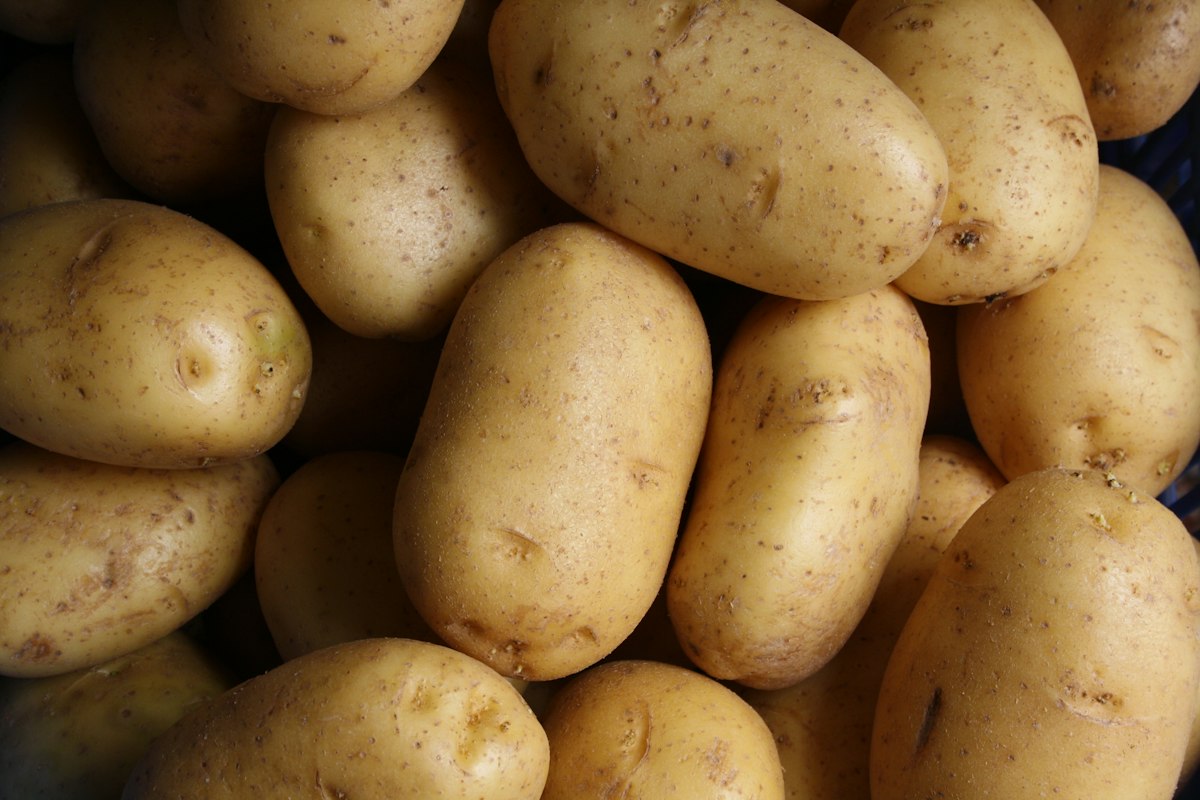
Original source illustration; may show a general food category.
Baby potatoes are immature tubers harvested before they reach full size. They are known for their thin skins and creamy, buttery flavor, and are often used in salads, roasted dishes, or as a side dish.
Country stock records are private to assigned managers.
Food-waste calculator
Estimate food you can keep out of the bin by using or sharing it.
Potential food saved1 kg
If you use or share 1 kg of Baby Potato instead of discarding it, that is 1 kg kept out of the bin.
This uses only your entered amount. It does not claim measured waste reduction or convert pieces and packs into invented weights.
Overview
Baby potatoes are immature tubers harvested before they reach full size. They are known for their thin skins and creamy, buttery flavor, and are often used in salads, roasted dishes, or as a side dish.
Origin & history
ancient uses: Consumed as a staple food by ancient civilizations in South America.
region of origin: Andes Mountains
country of origin: Peru
historical timeline: year: -7000
event: Domestication of the potato in the Andes.
year: 1536
event: Spanish conquistadors encountered potatoes.
cultural significance: A vital crop in the Andean cultures with many varieties associated with local traditions.
domestication history: Domesticated over 7,000 years ago by indigenous peoples.
traditional importance: Often used in traditional dishes and local festivities.
historical trade routes: Spread to Europe via the Spanish during the Age of Exploration.
Growing & production
climate: Temperate to cool climate preferred.
diseases: Late blight
Potato scab
rainfall: Moderate, around 15-25 inches annually.
harvesting: Fifteen to twenty-five days after planting.
irrigation: Regular irrigation is necessary, especially in dry areas.
temperature: Optimal growing temperature is 60-70°F (15-21°C).
growing season: Spring to summer.
harvest period: May to August, depending on planting time.
yield per acre: 200-500 hundredweight.
growing regions: North America
Europe
South America
pest management: Integrated pest management strategies recommended.
planting methods: Seed potatoes are planted in rows.
soil requirements: Well-draining, fertile loam soil.
organic cultivation: Compatible with organic farming methods.
fertilizer requirements: Balanced NPK fertilizer is recommended.
Nutrition draft
per 100g: fat g: 0.1
carbs g: 17.6
fiber g: 2.2
iron mg: 0.81
sugar g: 0.8
water g: 80.4
zinc mg: 0.29
calories: 77
protein g: 2
sodium mg: 6
calcium mg: 12
folate mcg: 9
magnesium mg: 23
potassium mg: 425
vitamin a iu: 2
vitamin c mg: 19.7
vitamin k mcg: 2.9
saturated fat g: 0.02
amino acids: Lysine: 0.147
Threonine: 0.077
Methionine: 0.035
Tryptophan: 0.021
per serving: fat g: 0.15
carbs g: 26.4
calories: 115
protein g: 3
serving size: 150g
antioxidants: Vitamin C
Phenolic compounds
glycemic index: 58
trace minerals: Copper: 0.1
Manganese: 0.1
Nutrition notes
Baby potatoes are a healthy source of vitamins and minerals, especially Vitamin C and potassium, supporting overall well-being, heart health, and energy.
Health notes
major: Rich in fibre, vitamins A and C, folate, potassium and plant polyphenols.
Low in calories and high in water content — supports weight management and hydration.
Regular vegetable intake is linked to lower rates of cardiovascular disease and type 2 diabetes.
evidence: Consensus among USDA, NIH and WHO reviews is that baby potato contributes positively to a balanced eating pattern when consumed in appropriate portions.
Storage
freezing: Not recommended without cooking.
shelf life: 1-2 weeks in optimal storage conditions.
dry storage: Store in a dark, cool place.
refrigeration: Can be stored in the fridge, but best at room temperature.
best practices: Keep away from light
Avoid washing before storage
common mistakes: Storing in direct sunlight
Wrong temperatures for storage
storage methods: Cool dry places
Refrigeration for extended storage
spoilage indicators: Softness
Sprouting
Green coloration
Preparation
cutting: Cut into uniform pieces for even cooking.
peeling: Peeling is optional due to thin skin.
washing: Use a vegetable brush for better cleaning.
cleaning: Wash under running water to remove dirt.
buying tips: Choose firm, unblemished potatoes.
Avoid those with green spots.
cooking methods: Boiling
Roasting
Steaming
freshness indicators: Firmness
Smooth skin
seasonal buying guide: Best bought fresh in spring and early summer.
Practical tips
**Cleaning**
Wash under running water to remove dirt.
**Washing**
Use a vegetable brush for better cleaning.
**Peeling**
Peeling is optional due to thin skin.
**Cutting**
Cut into uniform pieces for even cooking.
Recipes
name: Baby Potato Salad
tags: salad
vegan
easy
tips: Add cherry tomatoes for color.
Serve immediately for best flavor.
method: Boil baby potatoes until tender.
Let cool, then cut in half.
Mix olive oil, vinegar, salt, and pepper.
Toss potatoes with dressing and herbs.
region: North America
country: USA
cuisine: American
servings: 4
cook time: 20 minutes
image url: https://linktoimage.com/babypotatosalad.jpg
nutrition: fat g: 5
carbs g: 20
calories: 120
protein g: 3
prep time: 15 minutes
video url: https://linktovideo.com/babypotatosalad
chef notes: Can be served warm or cold.
difficulty: Easy
description: A fresh and vibrant salad made with baby potatoes and herbs.
ingredients: 500g baby potatoes
2 tbsp olive oil
1 tbsp vinegar
Salt and pepper to taste
Fresh herbs (parsley, dill)
youtube url: https://youtube.com/watch?v=abcd1234
recipe source: Local Chef
suitable diets: Vegan
Gluten-free
Transportation
humidity: Ideal humidity 90% to maintain freshness.
packaging: Ventilated containers to prevent moisture buildup.
shelf life: 2-3 weeks under proper conditions.
shipping methods: Air and refrigerated truck transport.
storage temperature: 50-60°F (10-15°C).
cold chain requirements: Maintained at 50°F (10°C) during transport.
Sustainability
climate resilience: Adaptive to varied climates with proper management.
sustainable farming: Practices include crop rotation and minimal tillage.
environmental impact: Generally low if grown sustainably.
pollinator importance: Not a direct pollinator plant but supports ecosystem balance.
regenerative agriculture: Adopted by some growers to enhance soil health.
More about this food
Baby potatoes are often more flavorful than larger potatoes due to their higher sugar content.
They come in various colors including yellow, red, and purple.
Source references
url: https://nutritionjournal.com/potatoes
type: journal
year: 2023
title: Nutritional Overview of Potatoes
authors: Nutrition Society
publisher: Nutrition Journal
Kerala & United States locality guides
Regional guides; these links do not establish local product availability.