Imported source research draft. Nutrition, health claims and linked references have not been independently verified.
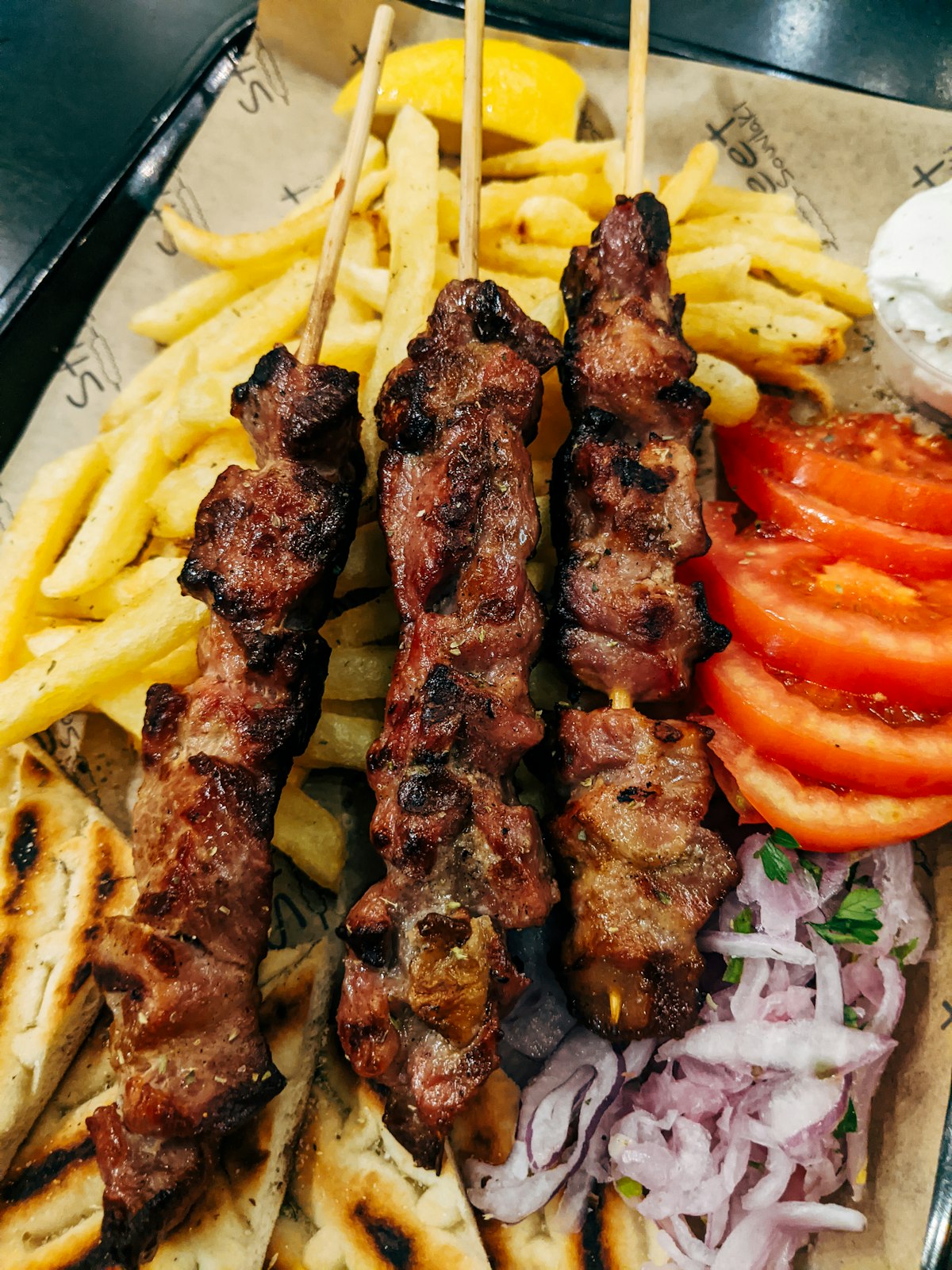
Original source illustration; may show a general food category.
Beef brisket is a cut of meat that comes from the breast or lower chest of cattle. It is one of the nine primal cuts of beef and is known for its rich flavor and tenderness when cooked properly. It is typically used in slow-cooking methods such as barbecuing, braising, and smoking.
Country stock records are private to assigned managers.
Food-waste calculator
Estimate food you can keep out of the bin by using or sharing it.
Potential food saved1 kg
If you use or share 1 kg of Beef Brisket instead of discarding it, that is 1 kg kept out of the bin.
This uses only your entered amount. It does not claim measured waste reduction or convert pieces and packs into invented weights.
Overview
Beef brisket is a cut of meat that comes from the breast or lower chest of cattle. It is one of the nine primal cuts of beef and is known for its rich flavor and tenderness when cooked properly. It is typically used in slow-cooking methods such as barbecuing, braising, and smoking.
Origin & history
ancient uses: Used in stews and roasted dishes.
region of origin: Texas
country of origin: United States
historical timeline: year: 1800
event: Beef brisket becomes a staple in American barbecue.
cultural significance: Central to barbecue culture in the southern United States.
domestication history: Domesticated cattle have been bred specifically for their meat since ancient times.
traditional importance: Often served during holidays and gatherings.
historical trade routes: Early cattle drives transported cattle from Texas to railheads for distribution.
Growing & production
climate: Temperate to warm climate is optimal for cattle raising.
diseases: Foot-and-mouth disease
Bovine tuberculosis
rainfall: Moderate rainfall, approximately 25-60 inches annually.
harvesting: Cattle are typically harvested between 18 to 24 months of age.
irrigation: Irrigation systems may be used for forage crops.
temperature: Varies, ideal temperature between 40°F and 80°F.
growing season: All year round depending on the region.
harvest period: Year-round.
yield per acre: Varies greatly depending on management.
growing regions: North America
South America
Europe
pest management: Regular health checks and vaccinations are essential.
planting methods: Pasture management, rotational grazing.
soil requirements: Well-drained grasslands and pastures.
organic cultivation: Available but requires certification.
fertilizer requirements: Nutrient management for pasture grasses.
Beef brisket is a source of protein and essential nutrients like iron and zinc. Consumed in moderation, it can be part of a balanced diet supporting muscle health and energy levels. However, high saturated fat content should be monitored.
Health notes
major: Excellent source of complete protein, heme iron, zinc and vitamin B12.
Supports muscle maintenance, immune function and cognitive health.
Choose leaner cuts and moderate portions for the best long-term health profile.
evidence: Consensus among USDA, NIH and WHO reviews is that beef brisket contributes positively to a balanced eating pattern when consumed in appropriate portions.
Storage
freezing: Can be frozen for long-term storage.
shelf life: 3-4 days refrigerated, 6-12 months frozen.
refrigeration: Keep at 32°F to 36°F.
best practices: Thaw in refrigerator
Cook to safe internal temperatures.
common mistakes: Leaving beef at room temperature too long.
storage methods: Refrigeration
Freezing
spoilage indicators: Off smell
Discoloration
Preparation
cutting: Use a sharp knife to cut against the grain for tenderness.
washing: Do not wash beef; cooking will kill most bacteria.
cleaning: Clean surfaces and utensils before handling.
buying tips: Look for well-marbled cuts for tenderness.
cooking methods: Smoking
Braising
Grilling
freshness indicators: Firm texture
Red color
seasonal buying guide: Best purchased and used during the fall and winter months.
Practical tips
**Cleaning**
Clean surfaces and utensils before handling.
**Washing**
Do not wash beef; cooking will kill most bacteria.
**Cutting**
Use a sharp knife to cut against the grain for tenderness.
Recipes
name: Smoked Brisket
tags: BBQ
Meat
Brisket
tips: Let it rest before slicing.
method: Rub the brisket with the BBQ rub.
Smoke for at least 12 hours at 225°F.
region: Texas
country: United States
cuisine: Barbecue
servings: 8
cook time: 12 hours
image url: http://example.com/smoked_brisket.jpg
prep time: 20 mins
chef notes: Keep an eye on the temperature throughout.
difficulty: Medium
description: A classic smoked brisket recipe slow-cooked to perfection.
ingredients: 1 whole brisket
BBQ rub
Wood chips
recipe source: Family Recipe
suitable diets: Gluten-free
Transportation
packaging: Vacuum sealed or cryovac packaging is preferred.
shelf life: Refrigerated 3-4 days, frozen 6-12 months.
shipping methods: Refrigerated transport is standard.
storage temperature: Ideal at 32°F to 36°F.
cold chain requirements: Cold storage during transportation is essential.
transportation constraints: Must adhere to health and safety regulations.
Sustainability
climate resilience: Vulnerable to extreme weather.
land use m2 per kg: 20
sustainable farming: Practices include rotational grazing and organic feeds.
environmental impact: Greenhouse gas emissions are a concern.
organic certification: Available for some beef products.
regenerative agriculture: In practice by certain farms.
water footprint l per kg: 4000
carbon footprint kgco2e per kg: 15
More about this food
Brisket is one of the most popular cuts for barbecue in the United States, particularly in Texas.
The meat is composed of connective tissue, which makes it ideal for slow-cooking methods.
Source references
url: https://fdc.nal.usda.gov/
type: report
year: 2023
title: Nutritional Content of Beef
authors: United States Department of Agriculture
publisher: USDA
Kerala & United States locality guides
Regional guides; these links do not establish local product availability.