Imported source research draft. Nutrition, health claims and linked references have not been independently verified.
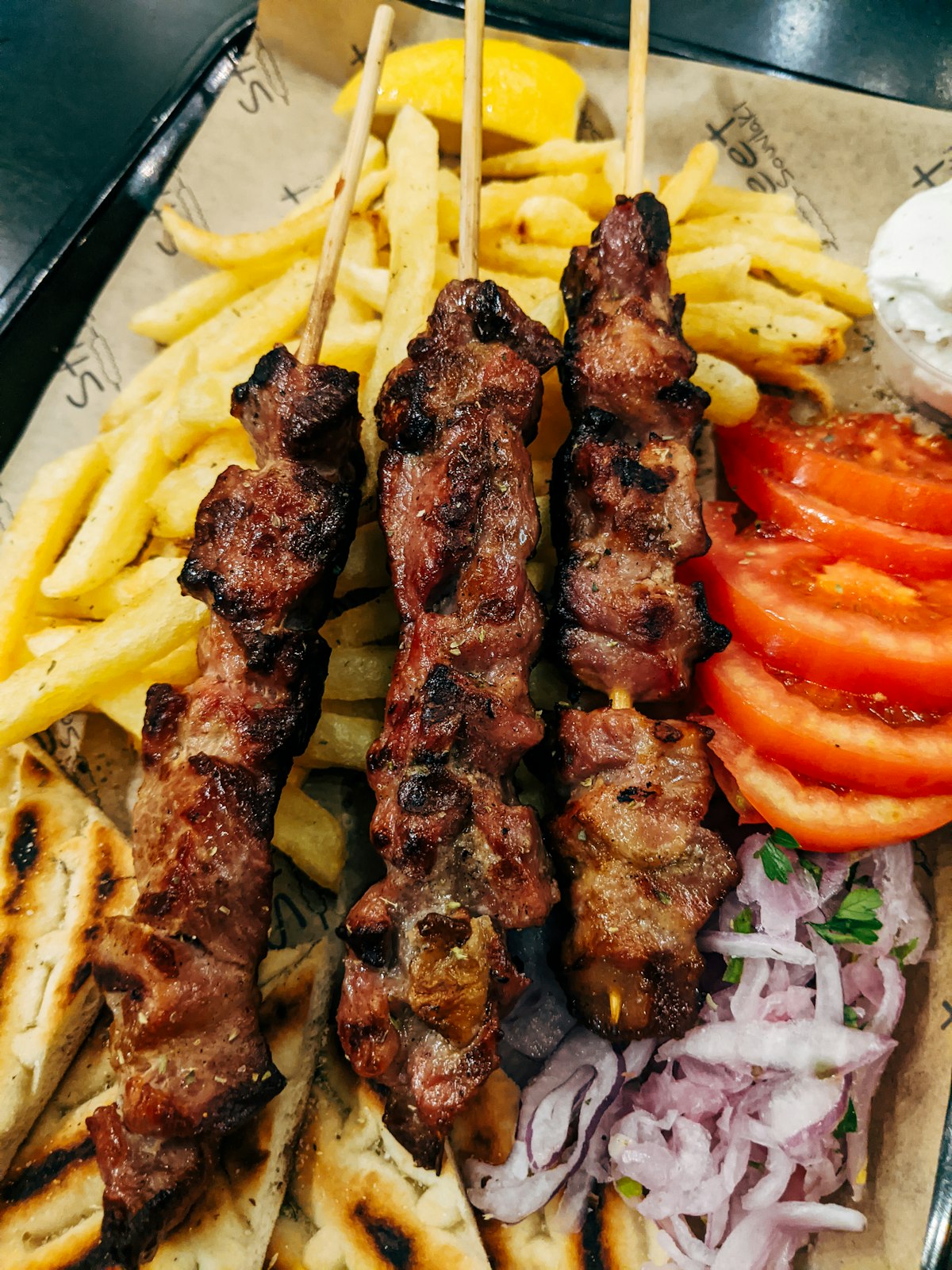
Original source illustration; may show a general food category.
The beef plate, also known as plate beef, refers to cuts from the plate primal, a section of the cow situated between the brisket and flank. It is often used for braising or slow cooking.
Country stock records are private to assigned managers.
Food-waste calculator
Estimate food you can keep out of the bin by using or sharing it.
Potential food saved1 kg
If you use or share 1 kg of Beef Plate instead of discarding it, that is 1 kg kept out of the bin.
This uses only your entered amount. It does not claim measured waste reduction or convert pieces and packs into invented weights.
Overview
The beef plate, also known as plate beef, refers to cuts from the plate primal, a section of the cow situated between the brisket and flank. It is often used for braising or slow cooking.
Origin & history
ancient uses: Used for meat production and as working animals.
region of origin: North America
country of origin: USA
historical timeline: year: 1600
event: The first cattle were brought to North America by Spanish explorers.
cultural significance: Beef has significant cultural roles in many diets and cuisines across the world.
domestication history: Beef cattle were domesticated over 10,000 years ago.
religious significance: In some cultures, beef is prohibited, while in others, it is a staple.
traditional importance: Part of various traditional dishes worldwide.
historical trade routes: Beef trade routes developed in the Americas during the 19th century.
Growing & production
climate: Temperate to subtropical
diseases: Foot-and-mouth disease
Bovine respiratory disease
rainfall: 600-1200 mm annually
harvesting: Cattle are harvested on farms or ranches.
irrigation: Depends on pasture conditions.
temperature: 10-25°C
growing season: Year-round with grazing practices
harvest period: Typically year-round
yield per acre: 1.5 to 2.5 animal units per acre
growing regions: North America
South America
Europe
pest management: Rotational grazing and veterinary care for disease control.
planting methods: Pasture management for cattle grazing
soil requirements: Varied depending on pasture consistency
organic cultivation: Practices vary; organic beef relies on certified organic feed.
fertilizer requirements: Organic and chemical fertilizers to enhance pasture growth.
Beef is a great source of high-quality protein, essential nutrients like iron for blood health, and vitamin B12 for brain function. It may support muscle growth and maintenance, and be beneficial for weight management in moderation.
Health notes
major: Excellent source of complete protein, heme iron, zinc and vitamin B12.
Supports muscle maintenance, immune function and cognitive health.
Choose leaner cuts and moderate portions for the best long-term health profile.
evidence: Consensus among USDA, NIH and WHO reviews is that beef plate contributes positively to a balanced eating pattern when consumed in appropriate portions.
Storage
freezing: Best for long-term storage.
shelf life: Fresh for up to 3 weeks; frozen for up to a year.
refrigeration: Optimal for short-term storage.
best practices: Keep at consistent temperatures
Use airtight packaging
common mistakes: Thawing at room temperature
Not sealing properly before freezing
storage methods: Refrigeration
Freezing
spoilage indicators: Off-smell
Discoloration
Preparation
cutting: Use sanitized knives and cutting boards.
washing: Do not wash meat as it can spread bacteria.
cleaning: Keep raw meat separate from other foods.
buying tips: Look for bright red color and firm texture.
cooking methods: Grilling
Braising
Roasting
Slow cooking
freshness indicators: Firmness and freshness of color.
seasonal buying guide: Best quality typically available in late summer and fall.
Practical tips
**Cleaning**
Keep raw meat separate from other foods.
**Washing**
Do not wash meat as it can spread bacteria.
**Cutting**
Use sanitized knives and cutting boards.
Recipes
name: Beef Stroganoff
tags: beef
stroganoff
main course
tips: Serve with egg noodles for authentic taste.
method: Slice the beef into strips.
Sauté onions and mushrooms until soft.
Add beef and cook until browned.
Stir in beef broth and simmer.
Mix in sour cream before serving.
region: Eastern Europe
country: Russia
cuisine: Russian
servings: 4
cook time: 30 minutes
image url: https://example.com/beef_stroganoff.jpg
nutrition: fat: 25
carbs: 20
protein: 30
calories: 400
prep time: 15 minutes
video url: https://youtube.com/example_video
chef notes: Taste before serving and adjust seasoning as needed.
difficulty: Medium
description: A rich and creamy beef dish served over pasta or rice.
ingredients: 500g beef plate
1 onion
200g mushrooms
300ml sour cream
300ml beef broth
youtube url: https://youtube.com/example_video
recipe source: Traditional Russian Cookbook
suitable diets: Gluten-free options available if served without noodles.
Transportation
humidity: 75-85% relative humidity during storage.
packaging: Vacuum sealed or refrigerated containers.
shelf life: 2-3 weeks fresh; 6-12 months frozen.
export handling: Strict compliance with safety regulations.
shipping methods: Refrigerated trucks and containers for export.
storage temperature: 0 to 4°C for fresh; -18°C for frozen.
cold chain requirements: Mandatory to maintain freshness and safety.
transportation constraints: Regulatory restrictions in imports and shelf-life limits.
Sustainability
climate resilience: Beef production is sensitive to climate changes.
land use m2 per kg: 20
sustainable farming: Some ranches practice regenerative agriculture.
environmental impact: High water and land usage; methane emissions are concerns.
organic certification: Available for certain beef products.
regenerative agriculture: Increasingly adopted by conscientious ranchers.
water footprint l per kg: 15000
carbon footprint kgco2e per kg: 10
More about this food
The plate cut can include the skirt steak and short ribs.
It is commonly used in barbecue and is popular in various cuisines.
Source references
url: https://foodscience.org/nutrition/beef
type: journal
year: 2023
title: The Nutritional Value of Beef
authors: Smith, J. et al.
publisher: Journal of Food Science
Kerala & United States locality guides
Regional guides; these links do not establish local product availability.