Imported source research draft. Nutrition, health claims and linked references have not been independently verified.
Original source illustration; may show a general food category.
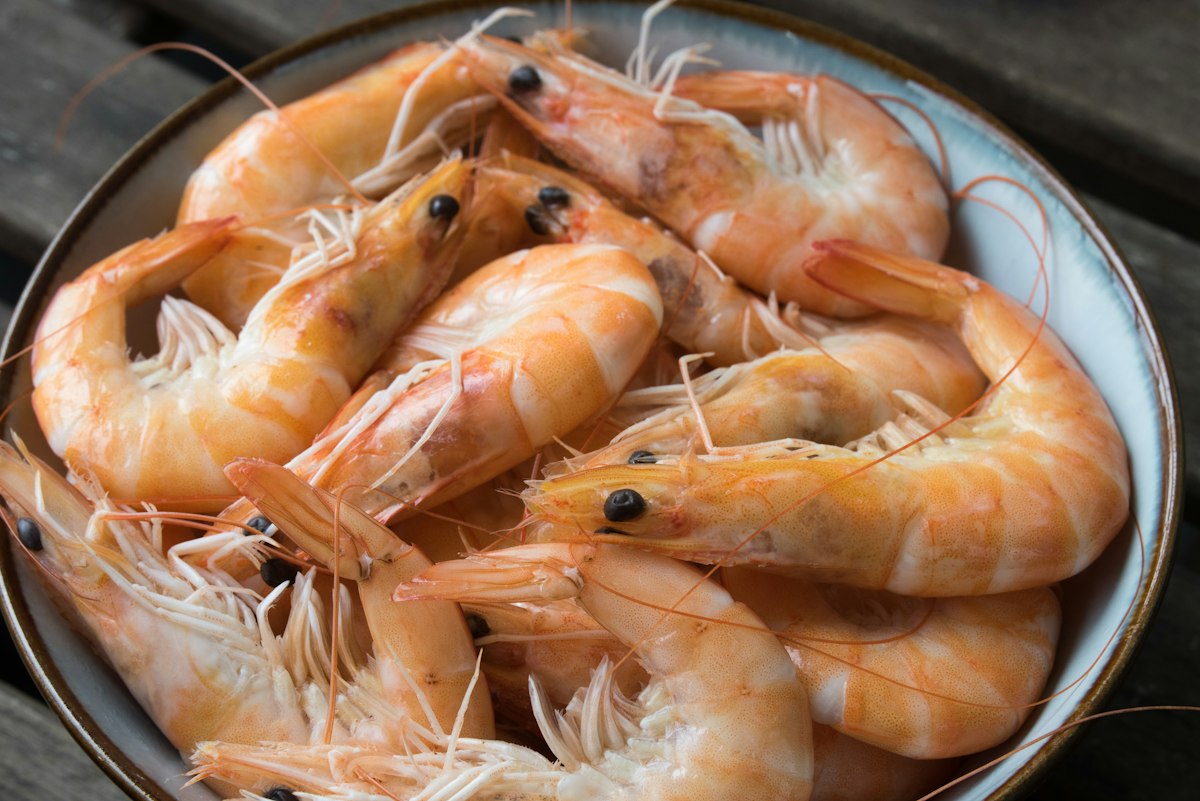
Black Tiger Shrimp are one of the largest shrimp species, recognized by their striking black and white stripes. They are a staple in seafood cuisine due to their unique flavor and firm texture.
Country stock records are private to assigned managers.
Food-waste calculator
Estimate food you can keep out of the bin by using or sharing it.
Potential food saved1 kg
If you use or share 1 kg of Black Tiger Shrimp instead of discarding it, that is 1 kg kept out of the bin.
This uses only your entered amount. It does not claim measured waste reduction or convert pieces and packs into invented weights.
Overview
Black Tiger Shrimp are one of the largest shrimp species, recognized by their striking black and white stripes. They are a staple in seafood cuisine due to their unique flavor and firm texture.
Origin & history
ancient uses: Used in traditional dishes and celebrations.
region of origin: Southeast Asia
country of origin: Thailand
historical timeline: year: 1970
event: Commercial farming began.
year: 1990
event: Became a key export product for Southeast Asia.
cultural significance: Considered a delicacy in many Asian cuisines.
domestication history: Aquaculture began in Asia in the 1970s.
traditional importance: Frequently featured in festive meals.
historical trade routes: Exported primarily via maritime routes.
Growing & production
climate: Tropical and sub-tropical
diseases: Vibriosis
White Spot Syndrome
rainfall: High rainfall areas preferred.
harvesting: Typically harvested every 3-6 months.
irrigation: Requires consistent water quality and salinity.
temperature: Optimal growth at 28-32°C.
growing season: Year-round in tropical conditions.
harvest period: 3 to 6 months post stocking.
yield per acre: Up to 1,500 kg per year.
growing regions: Southeast Asia
South Asia
pest management: Use of biocontrol and integrated pest management.
planting methods: Pond cultivation and shrimp farms.
soil requirements: Prefer sandy or clay loam.
organic cultivation: Limited organic certification due to farming practices.
fertilizer requirements: Organic and inorganic fertilizers are used.
Black Tiger Shrimp are high in protein and low in calories, making them a great option for a healthy diet. They provide omega-3 fatty acids that benefit heart health and are a source of several essential vitamins and minerals.
Health notes
major: Exceptional source of zinc, iron, copper, iodine and vitamin B12.
Very lean, complete protein with minimal saturated fat.
Regular moderate intake supports thyroid, immune and cognitive function.
evidence: Consensus among USDA, NIH and WHO reviews is that black tiger shrimp contributes positively to a balanced eating pattern when consumed in appropriate portions.
Storage
freezing: Freezing extends shelf life significantly.
shelf life: Frozen up to 12 months.
refrigeration: Store at 0-2°C.
best practices: Keep in airtight containers
Avoid thawing and refreezing.
common mistakes: Improper thawing
Storing at incorrect temperature.
storage methods: Refrigeration
Freezing
spoilage indicators: Off smell
Discoloration
Preparation
peeling: Use fingers or a knife to remove shell.
washing: Keep in cool water during thawing if frozen.
cleaning: Rinse under cold water to remove sand and debris.
buying tips: Look for firm, intact shells with a fresh smell.
cooking methods: Grilling
Sautéing
Boiling
freshness indicators: Clear eyes
Firm meat
seasonal buying guide: Best from May to September.
Practical tips
**Cleaning**
Rinse under cold water to remove sand and debris.
**Washing**
Keep in cool water during thawing if frozen.
**Peeling**
Use fingers or a knife to remove shell.
Recipes
name: Shrimp Pad Thai
tags: Thai
Noodles
Seafood
tips: Use fresh shrimp for best flavor.
method: Soak noodles in warm water.
Stir-fry shrimp until pink.
Add noodles and toss with sauce.
Garnish with peanuts.
region: Southeast Asia
country: Thailand
cuisine: Thai
servings: 4
cook time: 10 minutes
image url: http://example.com/shrimppadthai.jpg
nutrition: protein: 30
calories: 450
prep time: 20 minutes
chef notes: This dish is great for a quick weeknight meal.
difficulty: Medium
description: A classic Thai stir-fried noodle dish with shrimp.
ingredients: 200g rice noodles
150g Black Tiger Shrimp
2 eggs
Chives
Peanuts
Soy sauce
Lime juice
recipe source: Thai Food Blog
suitable diets: Gluten-free
Transportation
humidity: Optimal humidity levels maintained during transport.
packaging: Foam boxes with ice packs.
shelf life: Fresh up to 7 days under optimal conditions.
export handling: Must adhere to international food safety standards.
shipping methods: Air and refrigerated sea freight.
storage temperature: 0-2°C for fresh shrimp.
cold chain requirements: Strict cold chain required.
transportation constraints: Shipping regulations and cold storage limitations.
Sustainability
sustainable farming: Practices include improved feed and reduced antibiotic usage.
environmental impact: Shrimp farming has significant effects on coastal ecosystems.
More about this food
Black Tiger Shrimp can reach lengths of up to 33 cm.
They are commonly farmed in Southeast Asia.
Source references
url: http://www.fao.org/shrimp-statistics
type: report
year: 2021
title: Global Shrimp Industry Statistics
authors: FAO Team
publisher: FAO
Kerala & United States locality guides
Regional guides; these links do not establish local product availability.