Imported source research draft. Nutrition, health claims and linked references have not been independently verified.
Original source illustration; may show a general food category.
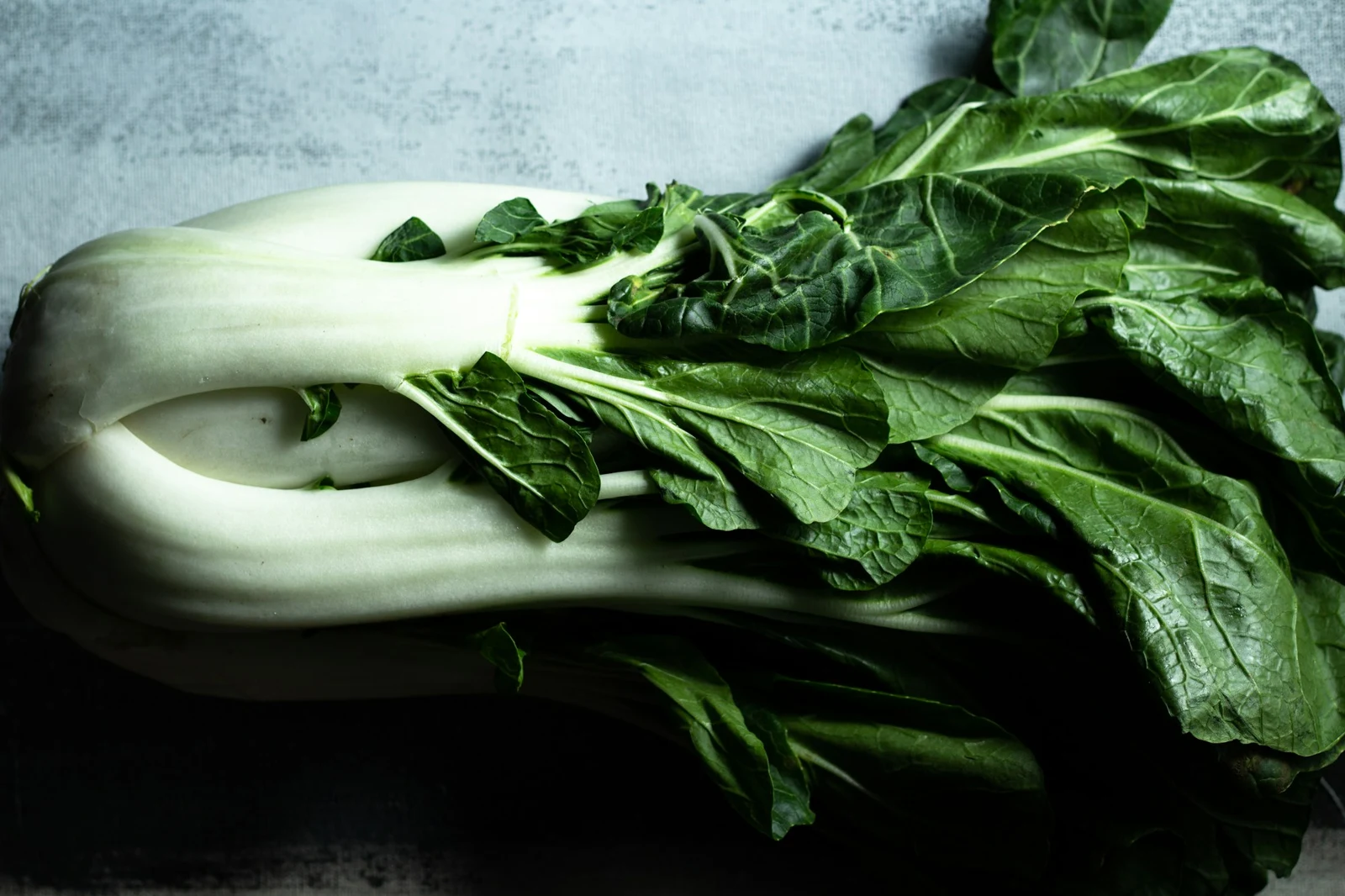
Bok Choy is a member of the cabbage family and is characterized by its crisp, white stalks and dark green leaves. It is low in calories while being rich in vitamins A, C, and K.
Country stock records are private to assigned managers.
Food-waste calculator
Estimate food you can keep out of the bin by using or sharing it.
Potential food saved1 kg
If you use or share 1 kg of Bok Choy instead of discarding it, that is 1 kg kept out of the bin.
This uses only your entered amount. It does not claim measured waste reduction or convert pieces and packs into invented weights.
Bok Choy is a member of the cabbage family and is characterized by its crisp, white stalks and dark green leaves. It is low in calories while being rich in vitamins A, C, and K.
Origin & history
ancient uses: Used in traditional Chinese medicine for its health benefits.
region of origin: Asia
country of origin: China
historical timeline: year: 500
event: Bok Choy cultivated in China.
cultural significance: Symbol of good fortune in Chinese culture.
domestication history: Domesticated for over 1,500 years.
traditional importance: Commonly used in stir-fries, soups, and salads.
historical trade routes: Part of trade along the Silk Road.
Growing & production
climate: Temperate to subtropical climates.
diseases: Downy mildew
Black rot
rainfall: Moderate rainfall preferred.
harvesting: Cut the leaves above the base when mature.
irrigation: Regular watering required to prevent wilting.
hydroponics: Suitable for hydroponic growing.
temperature: Best grown at temperatures between 15°C and 20°C.
growing season: Spring and fall.
harvest period: Can be harvested in 30 to 60 days after planting.
yield per acre: 10,000 to 15,000 lbs.
growing regions: China
Japan
United States
India
pest management: Control aphids and caterpillars using organic methods.
planting methods: Direct sowing or transplanting seedlings.
vertical farming: Adaptable to vertical farming systems.
soil requirements: Well-drained, fertile soil rich in organic matter.
organic cultivation: Possible with crop rotation and companion planting.
greenhouse production: Can be grown in greenhouses for extended seasons.
fertilizer requirements: Balanced fertilizer for leafy greens.
Bok Choy is low in calories and high in vitamins. It has anti-inflammatory properties and is beneficial for bone health due to its high calcium content.
Health notes
major: Rich in fibre, vitamins A and C, folate, potassium and plant polyphenols.
Low in calories and high in water content — supports weight management and hydration.
Regular vegetable intake is linked to lower rates of cardiovascular disease and type 2 diabetes.
evidence: Consensus among USDA, NIH and WHO reviews is that bok choy contributes positively to a balanced eating pattern when consumed in appropriate portions.
Storage
freezing: Can be blanched and frozen, but texture changes.
shelf life: Up to one week in proper conditions.
refrigeration: Best stored in a refrigerator.
best practices: Wrap in a damp cloth before refrigerating.
common mistakes: Storing in airtight containers without moisture control.
storage methods: Refrigeration
Controlled-atmosphere storage
spoilage indicators: Wilting leaves
Yellowing
controlled atmosphere storage: Extends shelf life slightly.
Preparation
cutting: Cut the stalks separately from the leaves for even cooking.
washing: Use cold water for washing.
cleaning: Rinse thoroughly to remove sand and dirt.
buying tips: Select firm, crisp stalks with bright leaves.
cooking methods: Stir-frying
Steaming
Boiling
freshness indicators: Leaves should be vibrant green without yellowing.
seasonal buying guide: Best purchased in spring and fall.
Practical tips
**Cleaning**
Rinse thoroughly to remove sand and dirt.
**Washing**
Use cold water for washing.
**Cutting**
Cut the stalks separately from the leaves for even cooking.
Recipes
name: Stir-Fried Bok Choy
tags: Stir-Fry
Vegetable
Healthy
tips: Serve immediately for best texture.
method: Heat oil
Add garlic
Stir-fry bok choy until wilted
Add soy sauce
region: Various
country: China
cuisine: Asian
servings: 4
cook time: 5 minutes
image url: https://example.com/stir_fry_bok_choy.jpg
prep time: 10 minutes
chef notes: Add a dash of chili for heat.
difficulty: Easy
description: A quick and healthy stir-fry using vibrant bok choy.
ingredients: Bok choy
Garlic
Soy sauce
Sesame oil
recipe source: Chinese Cooking Guide
suitable diets: Vegan
Vegetarian
Transportation
humidity: High humidity to maintain freshness.
packaging: Packed in ventilated boxes to reduce moisture.
shelf life: 5 to 7 days under refrigeration.
export handling: Careful handling to prevent damage during transportation.
shipping methods: Refrigerated trucks or ocean freight.
storage temperature: 2°C to 4°C.
cold chain requirements: Maintain refrigeration during transport.
transportation constraints: Short shelf life limits long-distance transport.
Sustainability
climate resilience: Can adapt to various growing conditions.
sustainable farming: Practices include crop rotation and organic pest management.
environmental impact: Low compared to other vegetables when grown sustainably.
organic certification: Available through multiple certifying bodies.
pollinator importance: Supports pollinators by providing habitat.
regenerative agriculture: Promotes soil health and biodiversity.
More about this food
Bok Choy is a staple in Chinese cooking and can be eaten raw or cooked.
It is known for its health benefits, including being a good source of antioxidants.
Source references
url: https://nutritionjournal.example.com/bok-choy
type: journal
year: 2022
title: Nutritional Benefits of Bok Choy
authors: Jane Smith, John Doe
publisher: Nutrition Journal
Kerala & United States locality guides
Regional guides; these links do not establish local product availability.

 Bok Choy - Chinese Cabbage