Imported source research draft. Nutrition, health claims and linked references have not been independently verified.
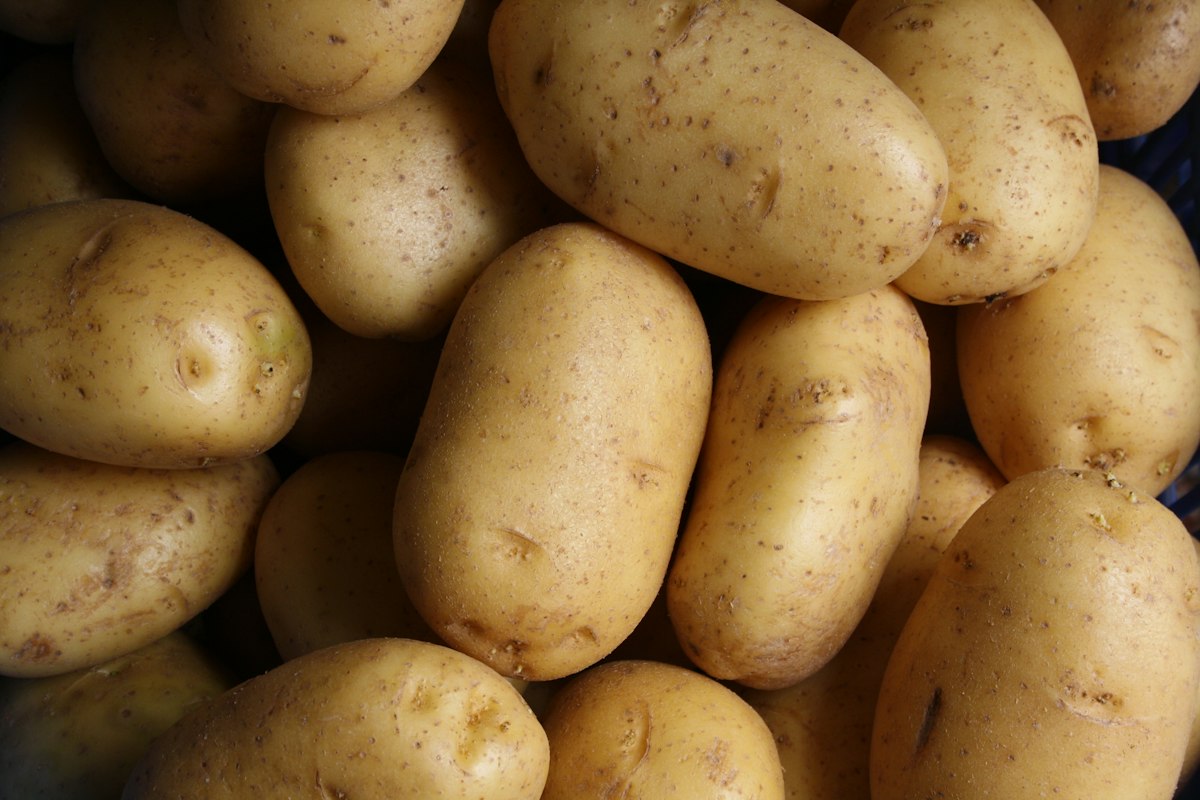
Original source illustration; may show a general food category.
Cassava, also known as yuca or manioc, is widely cultivated for its edible starchy tuberous root, which is a major source of carbohydrates in many regions of the world. The plant is drought-resistant and can thrive in poor soils.
Country stock records are private to assigned managers.
Food-waste calculator
Estimate food you can keep out of the bin by using or sharing it.
Potential food saved1 kg
If you use or share 1 kg of Cassava instead of discarding it, that is 1 kg kept out of the bin.
This uses only your entered amount. It does not claim measured waste reduction or convert pieces and packs into invented weights.
Overview
Cassava, also known as yuca or manioc, is widely cultivated for its edible starchy tuberous root, which is a major source of carbohydrates in many regions of the world. The plant is drought-resistant and can thrive in poor soils.
Origin & history
ancient uses: Used by native populations for centuries as a staple food source.
region of origin: South America
country of origin: Brazil
historical timeline: year: 1500
event: Introduced to Africa by Portuguese traders.
year: 1800
event: Spread widely throughout tropical regions.
cultural significance: Important part of diet in many African, Asian, and South American cuisines.
domestication history: Cassava was first cultivated by indigenous peoples in the Amazon basin.
traditional importance: Ground into flour or used to make side dishes, desserts, and beverages.
historical trade routes: Used in trade between indigenous tribes and later colonizers.
Growing & production
climate: Tropical to subtropical
diseases: Cassava mosaic virus
Root rot
rainfall: Needs about 800-1500 mm of rainfall annually.
harvesting: Roots are harvested when they reach desired size, usually 6-24 months after planting.
irrigation: Irrigation may be needed in dry areas.
temperature: Optimal temperature range is 25–30 °C.
growing season: Generally 8-24 months depending on variety.
harvest period: Can be harvested year-round but depends on planting time.
yield per acre: 10-30 tons
growing regions: Africa
South America
Southeast Asia
pest management: Common pests include aphids and beetles; integrated pest management is recommended.
planting methods: Stem cuttings planted in ridges.
soil requirements: Well-drained, sandy loam soils preferred.
organic cultivation: Can be grown organically but requires careful management of pests and diseases.
fertilizer requirements: Needs moderate fertilization, particularly nitrogen and potassium.
Cassava is a rich source of carbohydrates and dietary fiber, which can contribute to overall health. The high vitamin C content supports immune function, while its antioxidants may provide protective benefits against chronic diseases.
Health notes
major: Rich in fibre, vitamins A and C, folate, potassium and plant polyphenols.
Low in calories and high in water content — supports weight management and hydration.
Regular vegetable intake is linked to lower rates of cardiovascular disease and type 2 diabetes.
evidence: Consensus among USDA, NIH and WHO reviews is that cassava contributes positively to a balanced eating pattern when consumed in appropriate portions.
Storage
freezing: Freezing is possible after peeling and cooking.
shelf life: 1-2 weeks fresh; 6-12 months when frozen.
dry storage: Store in a cool, dry, and dark area.
refrigeration: Can be refrigerated for extended shelf life.
best practices: Keep away from direct sunlight
Avoid washing before storage
common mistakes: Storing in damp conditions
Neglecting to check for spoilage
storage methods: Cool dry place
Refrigeration
spoilage indicators: Soft spots
Mold
Preparation
cutting: Cut into uniform pieces for even cooking.
peeling: Peel the tough exterior before consumption.
washing: Rinse before cooking.
cleaning: Wash thoroughly to remove dirt.
buying tips: Choose firm, unblemished roots.
cooking methods: Boiling
Frying
Baking
freshness indicators: Firmness
No black spots
seasonal buying guide: Best bought in dry seasons when less likely to spoil.
Practical tips
**Cleaning**
Wash thoroughly to remove dirt.
**Washing**
Rinse before cooking.
**Peeling**
Peel the tough exterior before consumption.
**Cutting**
Cut into uniform pieces for even cooking.
Recipes
name: Cassava Pudding
tags: dessert
Brazilian
cassava
tips: Serve warm or cold.
method: Grate cassava.
Mix with other ingredients.
Pour into baking dish.
Bake until set.
region: Northeast
country: Brazil
cuisine: Brazilian
servings: 4
cook time: 60 minutes
image url: https://example.com/cassava_pudding.jpg
nutrition: fat: 6
carbs: 35
protein: 3
calories: 200
prep time: 20 minutes
video url: https://example.com/cassava_pudding_video.mp4
chef notes: Garnish with coconut flakes.
difficulty: Medium
description: A sweet, moist pudding made from cassava.
ingredients: Cassava
Sugar
Coconut milk
Eggs
Cinnamon
youtube url: https://www.youtube.com/watch?v=example
recipe source: Local Brazilian Recipe Book
Transportation
humidity: Moderate humidity to prevent drying out.
packaging: Stored in ventilated jute bags or cardboard crates.
shelf life: 2-3 weeks at room temperature.
export handling: Needs careful handling to prevent bruising.
shipping methods: Typically shipped via road and sea.
storage temperature: Optimum is around 12–15 °C.
cold chain requirements: Not required for fresh cassava.
transportation constraints: Heavy and bulky; may require special logistics.
Sustainability
climate resilience: Highly resilient to drought.
sustainable farming: Practices vary; increasing focus on sustainability.
environmental impact: Low when managed sustainably.
organic certification: Available for some producers.
pollinator importance: Minimal direct interaction.
regenerative agriculture: Incorporating methods to restore soil health.
More about this food
Cassava is a primary source of calories for more than 500 million people worldwide.
It can be processed into tapioca, flour, and various other products.
Source references
url: http://example.com/cassava_research
type: report
year: 2021
title: Cultivation and Uses of Cassava
authors: FAO
publisher: Food and Agriculture Organization
Kerala & United States locality guides
Regional guides; these links do not establish local product availability.