Imported source research draft. Nutrition, health claims and linked references have not been independently verified.
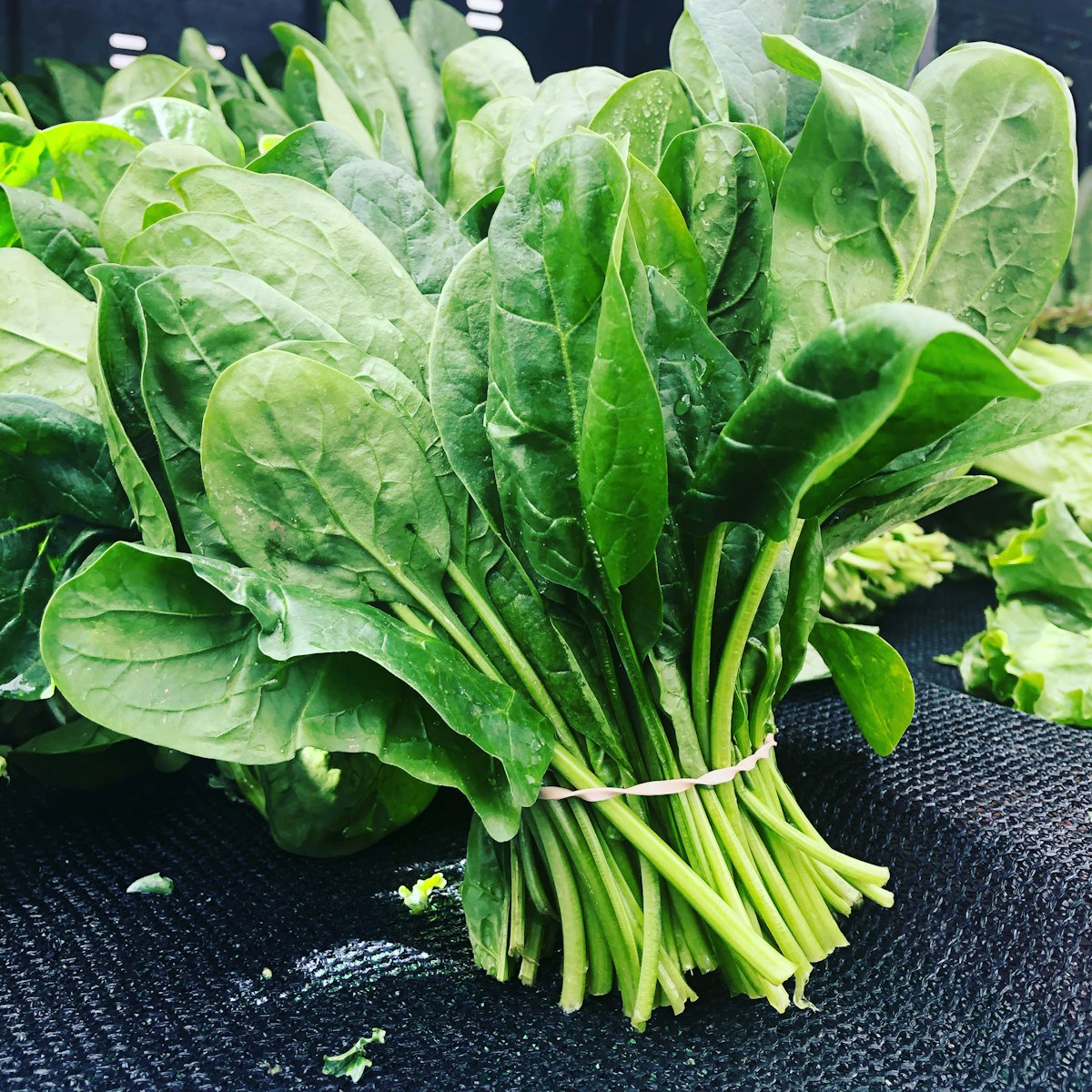
Original source illustration; may show a general food category.
Cassava leaves are the foliage of the cassava plant, a tropical plant cultivated for its starchy tuberous roots. The leaves are dark green and are a source of proteins, vitamins, and minerals. They are commonly cooked and consumed in various dishes around the world.
Country stock records are private to assigned managers.
Food-waste calculator
Estimate food you can keep out of the bin by using or sharing it.
Potential food saved1 kg
If you use or share 1 kg of Cassava Leaves instead of discarding it, that is 1 kg kept out of the bin.
This uses only your entered amount. It does not claim measured waste reduction or convert pieces and packs into invented weights.
Overview
Cassava leaves are the foliage of the cassava plant, a tropical plant cultivated for its starchy tuberous roots. The leaves are dark green and are a source of proteins, vitamins, and minerals. They are commonly cooked and consumed in various dishes around the world.
Origin & history
ancient uses: Used as a staple food by indigenous populations for centuries.
region of origin: South America
country of origin: Brazil
historical timeline: year: 1500
event: First brought to Africa by Portuguese traders.
cultural significance: Holds importance in many African and South American diets.
domestication history: Domesticated over 5000 years ago from the Amazonian region.
traditional importance: Serves as a source of sustenance in rural communities.
historical trade routes: Routes from South America to Africa via trade.
Growing & production
climate: Tropical with warm temperatures.
rainfall: Annual rainfall of 1200-2000 mm recommended.
harvesting: Leaves can be harvested about 3 months after planting.
irrigation: Supplemental irrigation may be needed in dry periods.
temperature: Growth optimal at 25-30°C.
growing season: Can be grown year-round in tropical regions.
harvest period: Continuous harvest possible.
yield per acre: 2-5 tons of leaves per acre annually.
growing regions: Tropics
Subtropics
pest management: Prone to pests like whiteflies and aphids.
planting methods: Stem cuttings are the most common method.
soil requirements: Well-drained, loamy soils.
organic cultivation: Possible and prevalent in sustainable farming.
fertilizer requirements: Moderate fertilization is beneficial.
Cassava leaves are rich in nutrients and antioxidants, promoting overall health. They support immune function and bone health due to their high calcium and vitamin content. Regular consumption may benefit digestive health.
Health notes
major: Rich in fibre, vitamins A and C, folate, potassium and plant polyphenols.
Low in calories and high in water content — supports weight management and hydration.
Regular vegetable intake is linked to lower rates of cardiovascular disease and type 2 diabetes.
evidence: Consensus among USDA, NIH and WHO reviews is that cassava leaves contributes positively to a balanced eating pattern when consumed in appropriate portions.
Storage
freezing: Freezing is not recommended for texture.
shelf life: Fresh leaves last up to a week in the refrigerator.
refrigeration: Keeps leaves fresh longer.
best practices: Store in a cool, dark place.
Use within a week for best quality.
common mistakes: Not refrigerating fresh leaves.
Leaving in direct sunlight.
storage methods: Refrigeration
Dry storage
spoilage indicators: Wilting
Discoloration
Preparation
cutting: Chop leaves into manageable pieces for cooking.
peeling: Remove tough stems before cooking.
washing: Use cold water to clean dirt and impurities.
cleaning: Rinse leaves thoroughly under running water.
buying tips: Select vibrant green leaves without browning.
cooking methods: Boiling
Steaming
Sauteing
freshness indicators: Bright green color
Firm texture
seasonal buying guide: Best bought during the rainy season.
Practical tips
**Cleaning**
Rinse leaves thoroughly under running water.
**Washing**
Use cold water to clean dirt and impurities.
**Peeling**
Remove tough stems before cooking.
**Cutting**
Chop leaves into manageable pieces for cooking.
Recipes
name: Cassava Leaf Soup
tags: soup
vegetable
Nigerian
tips: Serve with rice for a hearty meal.
method: Boil cassava leaves until tender.
Add groundnut paste and seasoning.
Simmer for 30 minutes.
region: West Africa
country: Nigeria
cuisine: Nigerian
servings: 4
cook time: 1 hour
image url: https://example.com/cassava_leaf_soup.jpg
nutrition: fat: 15
protein: 20
calories: 350
prep time: 30 mins
chef notes: Use fresh cassava leaves for best flavor.
difficulty: Medium
description: A delicious, hearty soup made with groundnut paste and steeped cassava leaves.
ingredients: Cassava leaves
Groundnut paste
Water
Seasoning
recipe source: Local Nigerian Cuisine
suitable diets: Vegetarian
Transportation
packaging: Packed in ventilated crates or bags.
shelf life: Shelf life of 5-7 days at room temperature.
shipping methods: Truck freight, air cargo for international shipping.
storage temperature: Best stored at 0-5°C.
cold chain requirements: Not strictly necessary but recommended for freshness.
transportation constraints: Limited by terrain and infrastructure in rural areas.
Sustainability
climate resilience: Fairly resilient to climate changes.
sustainable farming: Encouraged through agroforestry practices.
environmental impact: Generally low, with benefits for soil health.
organic certification: Possible but limited.
regenerative agriculture: Practiced in some regions.
More about this food
Cassava leaves are used not only for food but also in traditional medicine.
The leaves contain cyanogenic glycosides, which can be toxic if not properly cooked.
Source references
url: https://example.com/research_paper
type: journal
year: 2023
title: Nutritional Benefits of Cassava Leaves
authors: Jane Doe
publisher: Food Science Journal
Kerala & United States locality guides
Regional guides; these links do not establish local product availability.