Imported source research draft. Nutrition, health claims and linked references have not been independently verified.
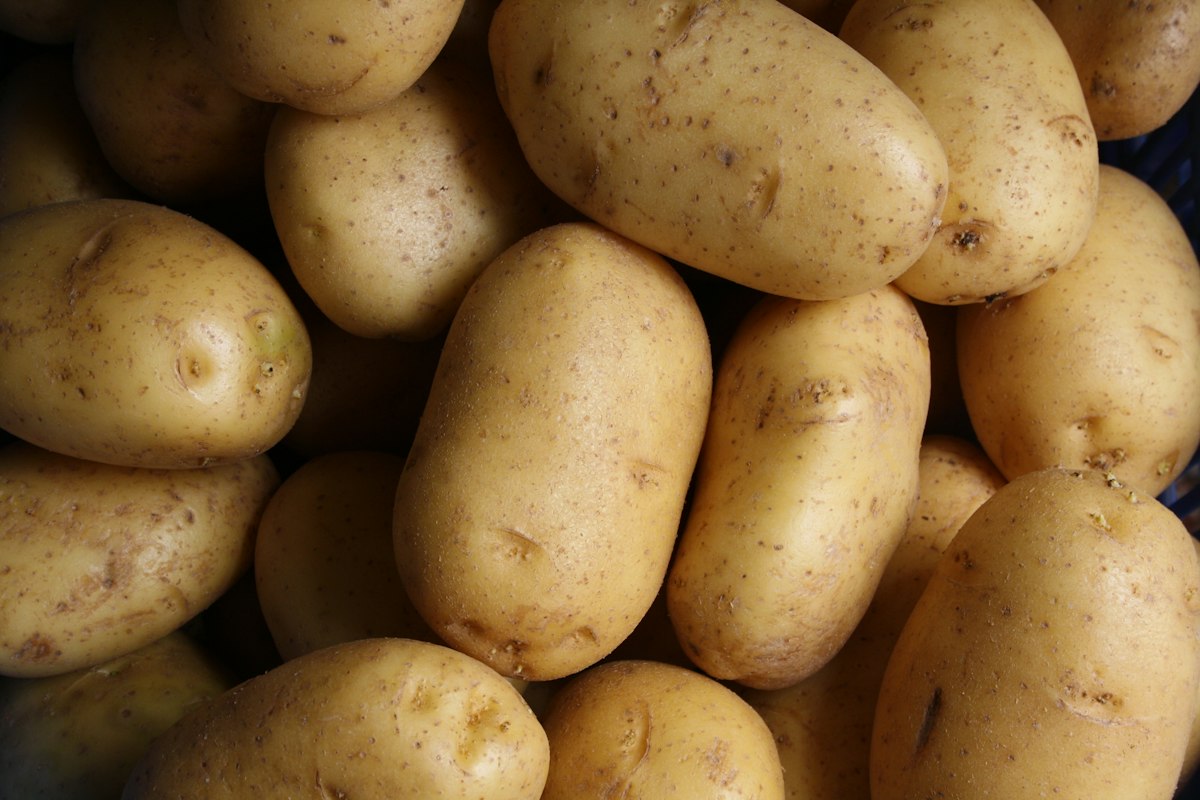
Original source illustration; may show a general food category.
Elephant Foot Yam is a tropical tuber known for its large size, resembling an elephant's foot. It has a rich, starchy texture and a mildly earthy flavor, commonly used in various Asian cuisines.
Country stock records are private to assigned managers.
Food-waste calculator
Estimate food you can keep out of the bin by using or sharing it.
Potential food saved1 kg
If you use or share 1 kg of Elephant Foot Yam instead of discarding it, that is 1 kg kept out of the bin.
This uses only your entered amount. It does not claim measured waste reduction or convert pieces and packs into invented weights.
Overview
Elephant Foot Yam is a tropical tuber known for its large size, resembling an elephant's foot. It has a rich, starchy texture and a mildly earthy flavor, commonly used in various Asian cuisines.
Origin & history
ancient uses: Historically used for its medicinal properties and as a staple food.
region of origin: Southeast Asia
country of origin: India
historical timeline: event: Cultivated since ancient times for food.
cultural significance: Considered auspicious in some cultures and used in religious offerings.
domestication history: Plants of the genus Amorphophallus have been cultivated for their edible tubers for centuries.
traditional importance: Often featured in traditional dishes, especially in festivals.
Growing & production
climate: Tropical and subtropical climates
diseases: Tuber rot
Leaf spot
rainfall: Requires high rainfall primarily between 1500-3000 mm annually.
harvesting: Typically harvested after the foliage dies back, about 10-12 months after planting.
irrigation: Regular watering is essential, especially in dry spells.
temperature: Optimal temperature range is 25°C to 30°C.
growing season: Grows during monsoon season.
harvest period: Around 10-12 months after planting.
yield per acre: Varies between 10-20 tons.
growing regions: Tropical regions of Asia
Southeast Asia
pest management: Common pests include aphids and root nematodes.
planting methods: Planting tubers in well-prepared fields.
soil requirements: Well-drained, loamy soil rich in organic matter.
organic cultivation: Can be grown organically without synthetic pesticides.
fertilizer requirements: Needs nitrogen and phosphorus-rich fertilizers.
Nutrition draft
per 100g: fat g: 0.2
carbs g: 23.9
fiber g: 6.1
iron mg: 0.5
sugar g: 0.2
water g: 64.5
zinc mg: 0.4
calories: 97
protein g: 1.9
sodium mg: 10
calcium mg: 90
folate mcg: 9
magnesium mg: 27
potassium mg: 440
vitamin c mg: 2.2
saturated fat g: 0.07
per serving: fat g: 0.2
carbs g: 23.9
calories: 97
protein g: 1.9
serving size: 100g
glycemic index: 50
Nutrition notes
Elephant Foot Yam is rich in dietary fiber and known to aid in digestive health. It is also believed to have anti-inflammatory properties and may help in managing blood sugar levels. Historically used in traditional medicine for various ailments.
Health notes
major: Rich in fibre, vitamins A and C, folate, potassium and plant polyphenols.
Low in calories and high in water content — supports weight management and hydration.
Regular vegetable intake is linked to lower rates of cardiovascular disease and type 2 diabetes.
evidence: Consensus among USDA, NIH and WHO reviews is that elephant foot yam contributes positively to a balanced eating pattern when consumed in appropriate portions.
Storage
shelf life: Up to 1 month in proper conditions.
dry storage: Store in a well-ventilated area.
refrigeration: Can be refrigerated to extend shelf life.
best practices: Avoid exposure to moisture
Regularly inspect stored tubers.
common mistakes: Storing in moist conditions
Keeping near strong smelling foods.
storage methods: Cool, dry place
Refrigeration if long-term storage is needed
spoilage indicators: Softness
Discoloration
Preparation
cutting: Use a sharp knife to cut to avoid mushiness.
peeling: Peel off tough outer skin before cooking.
washing: Scrub thoroughly to remove any debris.
cleaning: Rinse under cold water to remove soil.
buying tips: Select firm tubers without blemishes.
cooking methods: Boiling
Steaming
Roasting
freshness indicators: Firmness
Unblemished surface
seasonal buying guide: Best purchased during the monsoon season.
Practical tips
**Cleaning**
Rinse under cold water to remove soil.
**Washing**
Scrub thoroughly to remove any debris.
**Peeling**
Peel off tough outer skin before cooking.
**Cutting**
Use a sharp knife to cut to avoid mushiness.
Recipes
name: Spicy Elephant Foot Yam Curry
tags: Curry
Spicy
Main Dish
tips: Adjust spices to taste.
method: Boil yam until tender.
Sauté onions and spices.
Combine with yam and simmer.
region: Maharashtra
country: India
cuisine: Indian
servings: 4
cook time: 30 minutes
prep time: 15 minutes
chef notes: Ensure yam is tender but not mushy.
difficulty: Medium
description: A flavorful curry made with elephant foot yam and spices.
ingredients: 500g elephant foot yam
2 tomatoes
1 onion
2 tbsp oil
Spices
recipe source: Local Market
suitable diets: Vegan
Gluten-free
Transportation
humidity: Should be kept in a dry environment.
packaging: Packed in jute bags or crates.
shelf life: Approximately 3-4 weeks at room temperature.
shipping methods: Road
Rail
Sea
storage temperature: Room temperature is sufficient.
cold chain requirements: None necessary for transportation.
Sustainability
sustainable farming: Encouraged with organic practices.
environmental impact: Minimal if cultivated sustainably.
More about this food
It is believed to have numerous health benefits.
Used in traditional medicine.
Grows up to 1 meter in diameter.
Source references
type: journal
title: Nutritional Properties of Elephant Foot Yam
authors: Research Team
publisher: JA Food Science
Kerala & United States locality guides
Regional guides; these links do not establish local product availability.