Imported source research draft. Nutrition, health claims and linked references have not been independently verified.
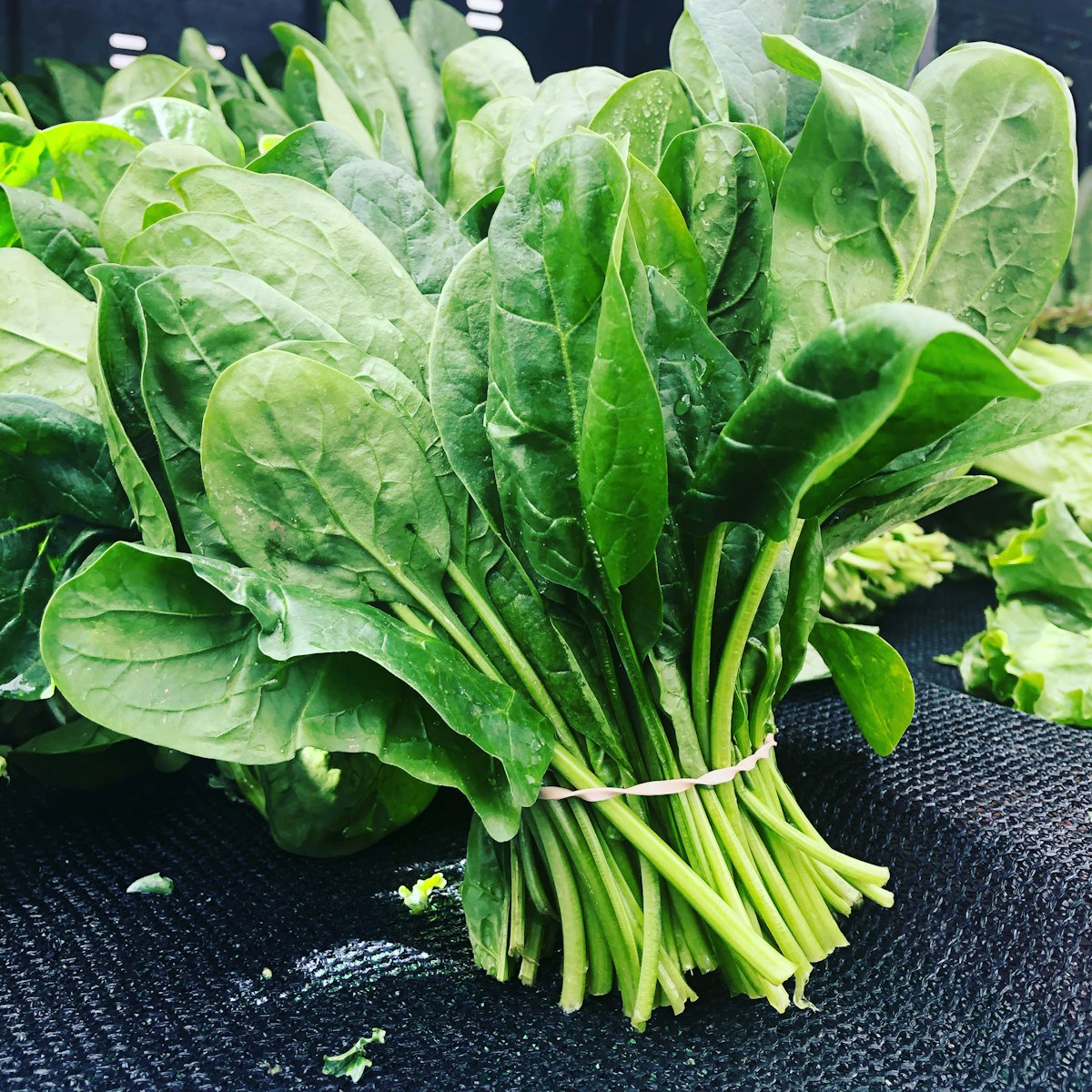
Original source illustration; may show a general food category.
Endive is a leafy green vegetable belonging to the Asteraceae family, known for its slightly bitter flavor and crisp texture. It is often used in salads and can also be cooked.
Country stock records are private to assigned managers.
Food-waste calculator
Estimate food you can keep out of the bin by using or sharing it.
Potential food saved1 kg
If you use or share 1 kg of Endive instead of discarding it, that is 1 kg kept out of the bin.
This uses only your entered amount. It does not claim measured waste reduction or convert pieces and packs into invented weights.
Overview
Endive is a leafy green vegetable belonging to the Asteraceae family, known for its slightly bitter flavor and crisp texture. It is often used in salads and can also be cooked.
Origin & history
ancient uses: Used as a salad green and medicinal herb in Egypt.
region of origin: North Africa
country of origin: Egypt
historical timeline: year: -2000
event: Endive was cultivated in Ancient Egypt.
year: 1500
event: Endive became popular in French cuisines.
cultural significance: Valued in Mediterranean cuisines for its distinct bitterness.
domestication history: Cultivated since ancient times, originally in Egypt and spread to Europe.
traditional importance: Considered a delicacy in many European countries.
historical trade routes: Transmitted along trade routes from Egypt to Europe.
Growing & production
climate: Temperate
rainfall: Moderate rainfall, around 25-30 inches annually.
harvesting: Harvested when leaves are firm and full-sized.
irrigation: Regular irrigation required especially in dry conditions.
hydroponics: Feasible in hydroponic systems.
temperature: Optimal growth between 60°F to 75°F (15°C to 24°C).
growing season: Spring to fall.
harvest period: Typically in late summer to early fall.
yield per acre: Around 10,000 to 12,000 pounds per acre.
growing regions: Europe
North America
pest management: Common pests include aphids and slugs; use organic pesticides as needed.
planting methods: Direct sowing or transplanting seedlings.
soil requirements: Well-drained, fertile soil with a pH of 6.0-7.0.
organic cultivation: Can be successfully grown using organic methods.
greenhouse production: Can be grown in greenhouses for extended seasons.
fertilizer requirements: Balanced fertilizer with nitrogen, phosphorus, and potassium.
Endive is low in calories yet rich in essential nutrients and antioxidants. It may support digestive health, promote heart health due to its fiber content, and provide anti-inflammatory effects.
Health notes
major: Rich in fibre, vitamins A and C, folate, potassium and plant polyphenols.
Low in calories and high in water content — supports weight management and hydration.
Regular vegetable intake is linked to lower rates of cardiovascular disease and type 2 diabetes.
evidence: Consensus among USDA, NIH and WHO reviews is that endive contributes positively to a balanced eating pattern when consumed in appropriate portions.
Storage
freezing: Not recommended due to texture loss.
shelf life: 7-10 days when refrigerated.
refrigeration: Best stored in the vegetable drawer of the fridge.
best practices: Store unwashed to prolong freshness
Keep separate from fruits.
common mistakes: Storing near apples or bananas which emit ethylene gas.
storage methods: Refrigeration
Controlled atmosphere
spoilage indicators: Wilting
Yellowing leaves
controlled atmosphere storage: Can extend shelf life when kept in modified atmospheres.
Preparation
cutting: Remove the base and cut into desired sizes.
washing: Submerge in cold water and agitate gently.
cleaning: Rinse under cold water to remove dirt.
buying tips: Select firm, crisp leaves with no discoloration.
cooking methods: Sautéing
Boiling
Steaming
Grilling
freshness indicators: Crisp texture
Bright color
seasonal buying guide: Best purchased in late summer through fall.
Practical tips
**Cleaning**
Rinse under cold water to remove dirt.
**Washing**
Submerge in cold water and agitate gently.
**Cutting**
Remove the base and cut into desired sizes.
Recipes
name: Endive Salad
tags: salad
light
easy
tips: Add cheese for extra flavor.
method: Chop endive and apple into slices.
Toast walnuts in a pan.
Mix all ingredients in a bowl.
Dress with olive oil, salt, and pepper.
region: Brittany
country: France
cuisine: French
servings: 4
cook time: null
image url: https://example.com/endive_salad.jpg
prep time: 10 minutes
chef notes: This dish can be adapted with seasonal fruits.
difficulty: Easy
description: A refreshing salad combining endive with apples and walnuts.
ingredients: 2 heads of endive
1 apple
50g walnuts
2 tablespoons olive oil
Salt and pepper to taste
recipe source: Chef's Favorite Recipes
suitable diets: Vegan
Transportation
humidity: Maintain 90-95% humidity to prevent wilting.
packaging: Packed in perforated plastic bags or boxes.
shelf life: Typically 7-10 days under refrigeration.
export handling: Careful handling to minimize bruising.
shipping methods: Air freight or refrigerated trucks.
storage temperature: Refrigerated storage required.
cold chain requirements: Maintained at 32°F to 35°F (0°C to 2°C).
transportation constraints: Susceptible to damage and wilting during transport.
Sustainability
climate resilience: Adapted to varied temperate climates.
sustainable farming: Promotes biodiversity and soil health.
environmental impact: Minimal if grown sustainably.
organic certification: Available in organic varieties.
pollinator importance: Supports local pollinators.
regenerative agriculture: Practices encouraged among growers.
More about this food
Endive is high in antioxidants and offers several health benefits.
There are two main types: curly endive (frisée) and broad-leaved endive (escarole).
Source references
url: https://nutritionjournal.com/endive
type: journal
year: 2022
title: Nutritional Analysis of Endive
authors: Jane Doe
publisher: Nutrition Journal
Kerala & United States locality guides
Regional guides; these links do not establish local product availability.