Imported source research draft. Nutrition, health claims and linked references have not been independently verified.
Original source illustration; may show a general food category.
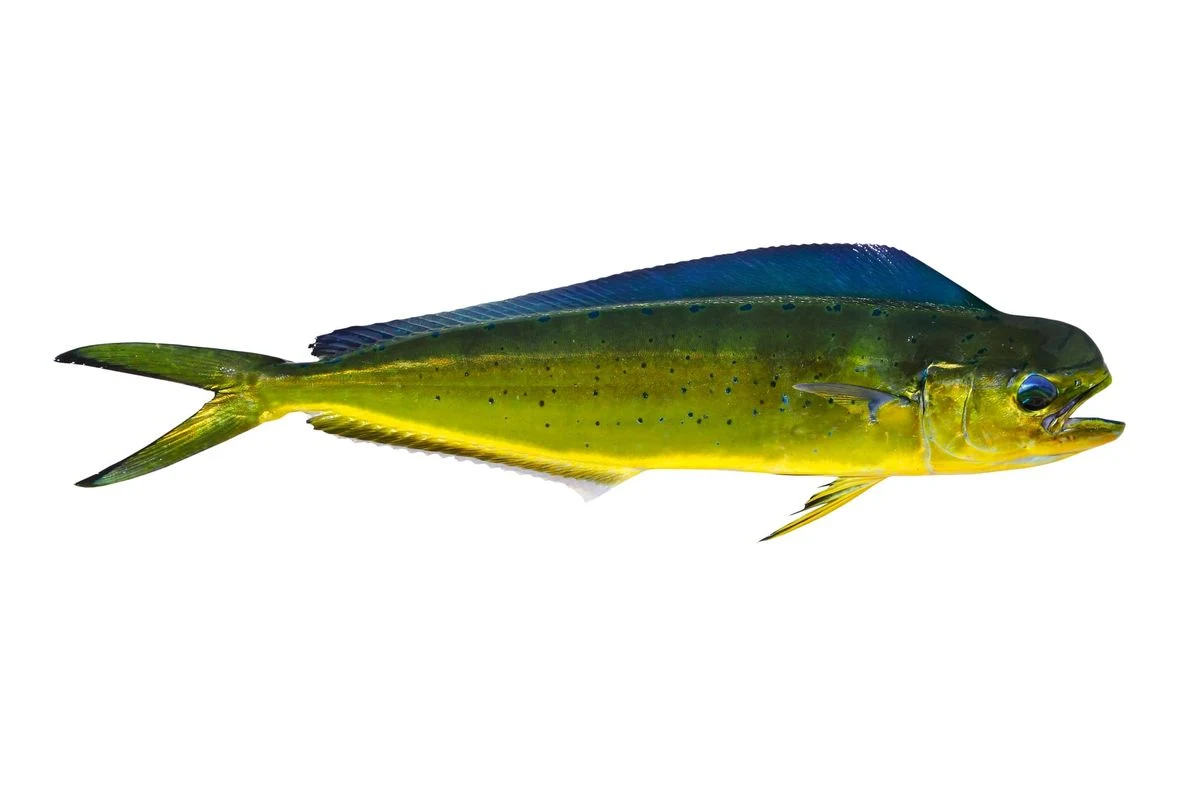
Mahi-Mahi, also known as dolphinfish, has a distinct golden color and is a popular choice in culinary dishes for its sweet flavor and firm flesh. This fish is found in warm oceanic waters and is often grilled or baked.
Country stock records are private to assigned managers.
Food-waste calculator
Estimate food you can keep out of the bin by using or sharing it.
Potential food saved1 kg
If you use or share 1 kg of Mahi-Mahi instead of discarding it, that is 1 kg kept out of the bin.
This uses only your entered amount. It does not claim measured waste reduction or convert pieces and packs into invented weights.
Mahi-Mahi, also known as dolphinfish, has a distinct golden color and is a popular choice in culinary dishes for its sweet flavor and firm flesh. This fish is found in warm oceanic waters and is often grilled or baked.
Origin & history
ancient uses: Consumed by Pacific Island cultures for centuries.
region of origin: Pacific Ocean
country of origin: Hawaii
historical timeline: year: 500
event: Mahi-Mahi commonly used in indigenous Hawaiian fisheries.
cultural significance: Hawaii considers Mahi-Mahi a traditional dish often served in local cuisine.
Growing & production
climate: Tropical and subtropical waters
harvesting: Caught through longlining and purse seining.
temperature: 22-30°C
harvest period: Year-round
growing regions: Hawaii
Florida
Western Atlantic
Eastern Pacific
Mahi-Mahi is a high-protein fish that contributes to muscle health and is also a good source of omega-3 fatty acids, which can promote heart health. Its low levels of mercury compared to other fish species make it a safer option for regular consumption. Additionally, Mahi-Mahi provides essential nutrients such as potassium and vitamin B12, which are important for various bodily functions.
Health notes
major: Rich in long-chain omega-3 fatty acids (EPA and DHA) that support heart and brain health.
High-quality complete protein plus vitamin D, iodine and selenium.
Two servings of fatty fish per week is linked to reduced cardiovascular risk.
evidence: Consensus among USDA, NIH and WHO reviews is that mahi-mahi contributes positively to a balanced eating pattern when consumed in appropriate portions.
Storage
freezing: Can be frozen if processed within 1-2 days.
shelf life: Fresh: 1-2 days, Frozen: Up to 6 months.
refrigeration: Store at 0-4°C.
best practices: Store on ice, keep refrigerated.
Avoid cross-contamination.
common mistakes: Failing to store at appropriate temperatures.
storage methods: Refrigeration
Freezing
spoilage indicators: Off smell
Slimy texture
Preparation
cutting: Cut into fillets or steaks as needed.
washing: Avoid soaking; rinse quickly.
cleaning: Rinse under cold water and pat dry.
buying tips: Choose fish that smells fresh and has bright color.
cooking methods: Grilling
Baking
Pan-searing
freshness indicators: Bright skin, firm texture, mild smell.
seasonal buying guide: Best in summer; available year-round.
Practical tips
**Cleaning**
Rinse under cold water and pat dry.
**Washing**
Avoid soaking; rinse quickly.
**Cutting**
Cut into fillets or steaks as needed.
Recipes
name: Grilled Mahi-Mahi Tacos
tags: grilled
taco
seafood
tips: Use fresh lime for best taste.
method: Preheat grill to medium-high.
Season Mahi-Mahi with spices.
Grill fillets for 4-5 minutes on each side.
Serve in tortillas with cabbage and avocado.
region: Baja California
country: Mexico
cuisine: Mexican
servings: 4
cook time: 10 mins
image url: https://example.com/grilled-mahi-mahi-tacos.jpg
nutrition: fat g: 15
carbs g: 30
calories: 420
protein g: 45
prep time: 15 mins
chef notes: For a spicy kick, add jalapeños.
difficulty: Easy
description: Delicious grilled Mahi-Mahi served in warm tortillas with fresh toppings.
ingredients: 4 Mahi-Mahi fillets
8 tortillas
1 cup cabbage, shredded
1 avocado, sliced
1 lime, juiced
Spices to taste
recipe source: Local chef
suitable diets: Gluten-free
Low-carb
Transportation
packaging: Typically vacuum sealed or iced in transport.
shelf life: 1-2 days refrigerated; up to 6 months frozen.
export handling: Must adhere to international seafood export regulations.
shipping methods: Air freight and refrigerated trucks.
storage temperature: 0-4°C for fresh; -18°C for frozen.
cold chain requirements: Required for freshness.
transportation constraints: Limited by seasonal fluctuations in production.
Sustainability
climate resilience: Fish populations affected by temperature changes.
sustainable farming: Promoting responsible fishing practices.
environmental impact: Overfishing concerns in some regions.
More about this food
Mahi-Mahi can swim at speeds of up to 57 mph.
It has a unique, vibrant coloration that can change based on its mood.

 Mahi Mahi (Pulli Motha)