
Pumpkin
Research status: AI draft — awaiting expert review


Overview
Pumpkins are hard-skinned winter squashes with edible flesh and seeds, botanically fruits but commonly cooked as vegetables. Small pie or sugar pumpkins generally have sweeter, denser flesh than large carving pumpkins.
Origin & cultivation
Pumpkins originated in the Americas, where Indigenous peoples domesticated them thousands of years ago. They are now grown worldwide; major producing regions for pumpkins and related squashes include China, India, Eastern Europe, and North America.
Season
In temperate Northern Hemisphere regions, pumpkins are harvested from late summer through autumn, with peak availability in fall. Southern Hemisphere harvests generally peak in autumn there, while cured whole pumpkins and canned pumpkin extend availability beyond harvest.
Texture & flavor
Pumpkin flesh has a mild, earthy sweetness and becomes tender when cooked. Pie varieties are usually smooth and dense, while carving varieties can be watery or stringy; roasting concentrates flavor, and steaming produces a milder result.
Nutrition
Typical values estimated with AI, not yet checked against lab data. For guidance only.
| Energy | 26 kcal | raw, per 100 g edible portion | FoodPulse AI estimate |
| Protein | 1 g | raw, per 100 g edible portion | FoodPulse AI estimate |
| Total fat | 0.1 g | raw, per 100 g edible portion | FoodPulse AI estimate |
| Saturated fat | 0.052 g | raw, per 100 g edible portion | FoodPulse AI estimate |
| Carbohydrate | 6.5 g | raw, per 100 g edible portion | FoodPulse AI estimate |
| Dietary fiber | 0.5 g | raw, per 100 g edible portion | FoodPulse AI estimate |
| Total sugars | 2.76 g | raw, per 100 g edible portion | FoodPulse AI estimate |
| Water | 91.6 g | raw, per 100 g edible portion | FoodPulse AI estimate |
| Calcium | 21 mg | raw, per 100 g edible portion | FoodPulse AI estimate |
| Iron | 0.8 mg | raw, per 100 g edible portion | FoodPulse AI estimate |
| Magnesium | 12 mg | raw, per 100 g edible portion | FoodPulse AI estimate |
| Potassium | 340 mg | raw, per 100 g edible portion | FoodPulse AI estimate |
| Sodium | 1 mg | raw, per 100 g edible portion | FoodPulse AI estimate |
| Zinc | 0.32 mg | raw, per 100 g edible portion | FoodPulse AI estimate |
| Vitamin C | 9 mg | raw, per 100 g edible portion | FoodPulse AI estimate |
| Vitamin A (RAE) | 426 µg | raw, per 100 g edible portion | FoodPulse AI estimate |
| Folate | 16 µg | raw, per 100 g edible portion | FoodPulse AI estimate |
| Vitamin B12 | 0 µg | raw, per 100 g edible portion | FoodPulse AI estimate |
| Cholesterol | 0 mg | raw, per 100 g edible portion | FoodPulse AI estimate |
Glycemic index: Not established.
Orange pumpkin supplies beta-carotene, which the body can convert to vitamin A, along with fiber; amounts vary by variety and preparation. Pumpkin flesh and seeds can cause allergic reactions, although these are uncommon, and packaged products may contain other allergens. Educational, not medical advice.
Educational information, not medical advice.
Storage
- Room temperature / cool pantry · 50–60°F (10–16°C), ideally · About 1–3 months for sound, cured whole pumpkins, depending on variety and condition; less in a warm room.. Keep whole, uncut pumpkins dry, ventilated, and out of sunlight; inspect regularly. Discard pumpkins with mold, leaking liquid, extensive soft spots, or a rotten odor. FoodPulse AI estimate
- Refrigerator · 34–40°F (1–4°C) · Cut raw pumpkin: about 3–5 days; cooked pumpkin or opened canned pumpkin: 3–4 days.. Cover cut pieces and refrigerate promptly; cool cooked pumpkin in shallow containers within 2 hours, or 1 hour above 90°F (32°C). Discard for mold, slime, sour odor, or excessive time unrefrigerated; unsafe food may show no obvious spoilage. FoodPulse AI estimate
- Freezer · 0°F (−18°C) or below · About 8–12 months for best quality; continuously frozen food remains safe longer.. For the NCHFP freezing method, cook until soft, remove the rind, mash, cool promptly, and pack with headspace in freezer-safe containers. Thaw in the refrigerator or microwave, not on the counter; discard thawed pumpkin left above 40°F (4°C) for more than 2 hours. FoodPulse AI estimate
- Pressure-canned cubes · 50–70°F (10–21°C), in a cool, dry, dark place · Use within 1 year for best quality.. Use only a tested USDA/NCHFP pressure-canning recipe for peeled 1-inch cubes, with the specified jar size, processing time, and altitude-adjusted pressure; never home-can mashed or puréed pumpkin or use boiling-water canning. Do not taste jars with failed seals, bulging lids, leakage, spurting liquid, mold, or suspicious contents; follow USDA guidance for safe disposal. FoodPulse AI estimate
Preparation
Scrub the whole pumpkin under running water before cutting; do not use soap, and dry it to reduce slipping. On a stable cutting board, use a sturdy knife to remove the stem area, halve or wedge the pumpkin, and scoop out seeds and strings; peel before cooking or scoop flesh from the cooked skin. Wash hands, knives, and boards after handling raw meat, poultry, seafood, or eggs, and keep these foods and their juices away from pumpkin.
Cooking
Roast lightly oiled 1-inch cubes at 400°F (204°C) for about 25–35 minutes, or halves cut-side down for 45–90 minutes, depending on size and variety. Steam or simmer cubes for roughly 10–20 minutes, until easily pierced with a fork. Mash or purée cooked flesh for soups, sauces, and baking, draining excess liquid when a recipe needs thick purée.
Recipes
No verified recipes yet.
Waste less
Rinse and roast the seeds, and use clean flesh trimmings in soup or stock; some thin-skinned varieties also have edible skins after cooking. Turn cooked leftovers into soup, pancakes, or pasta sauce, or freeze portions promptly. Compost stems, tough skins, and stringy pulp where locally accepted, and do not eat pumpkins that have been carved and displayed unrefrigerated.
Food waste tips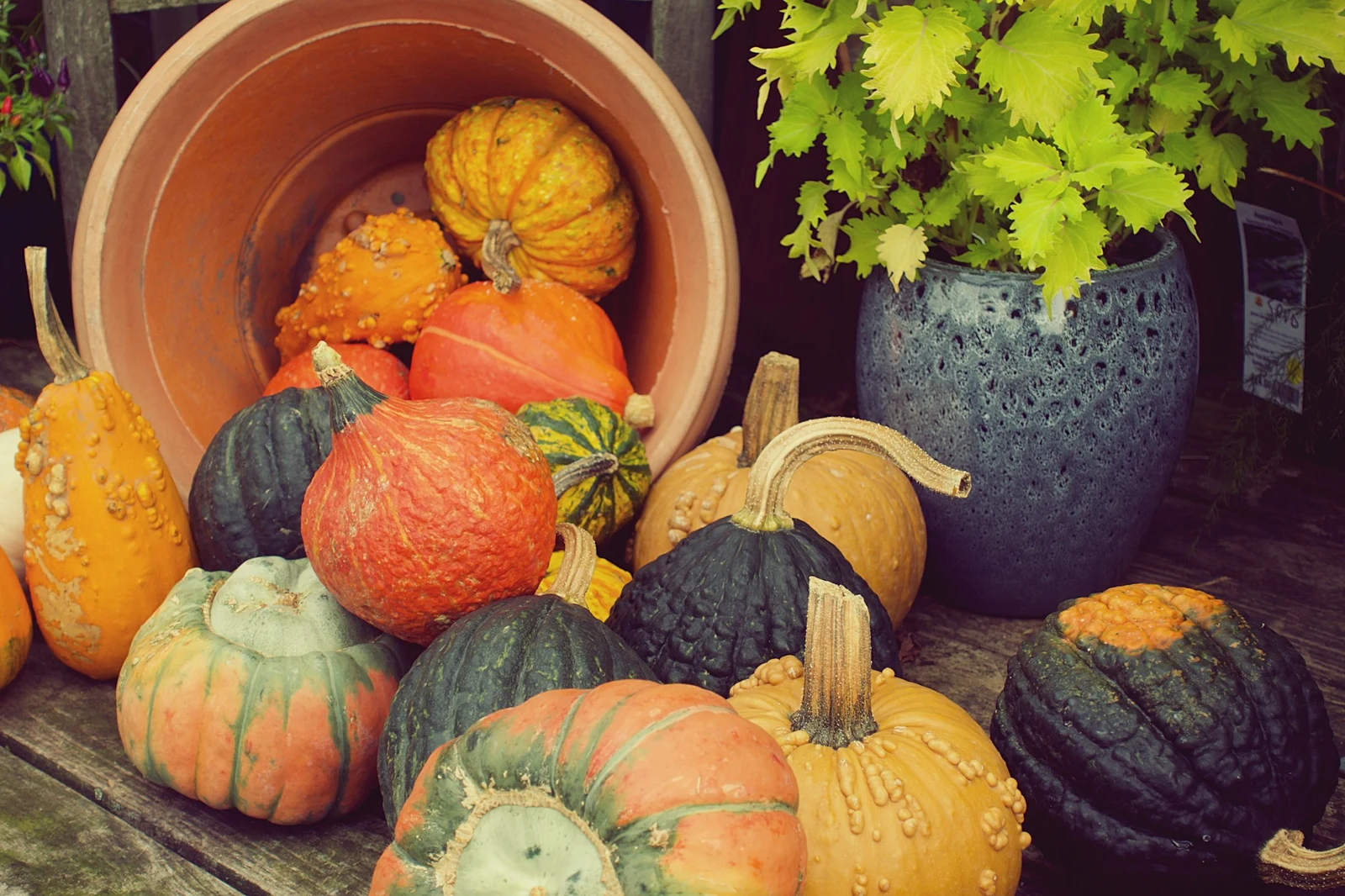 Kabocha Squash - Pumpkin
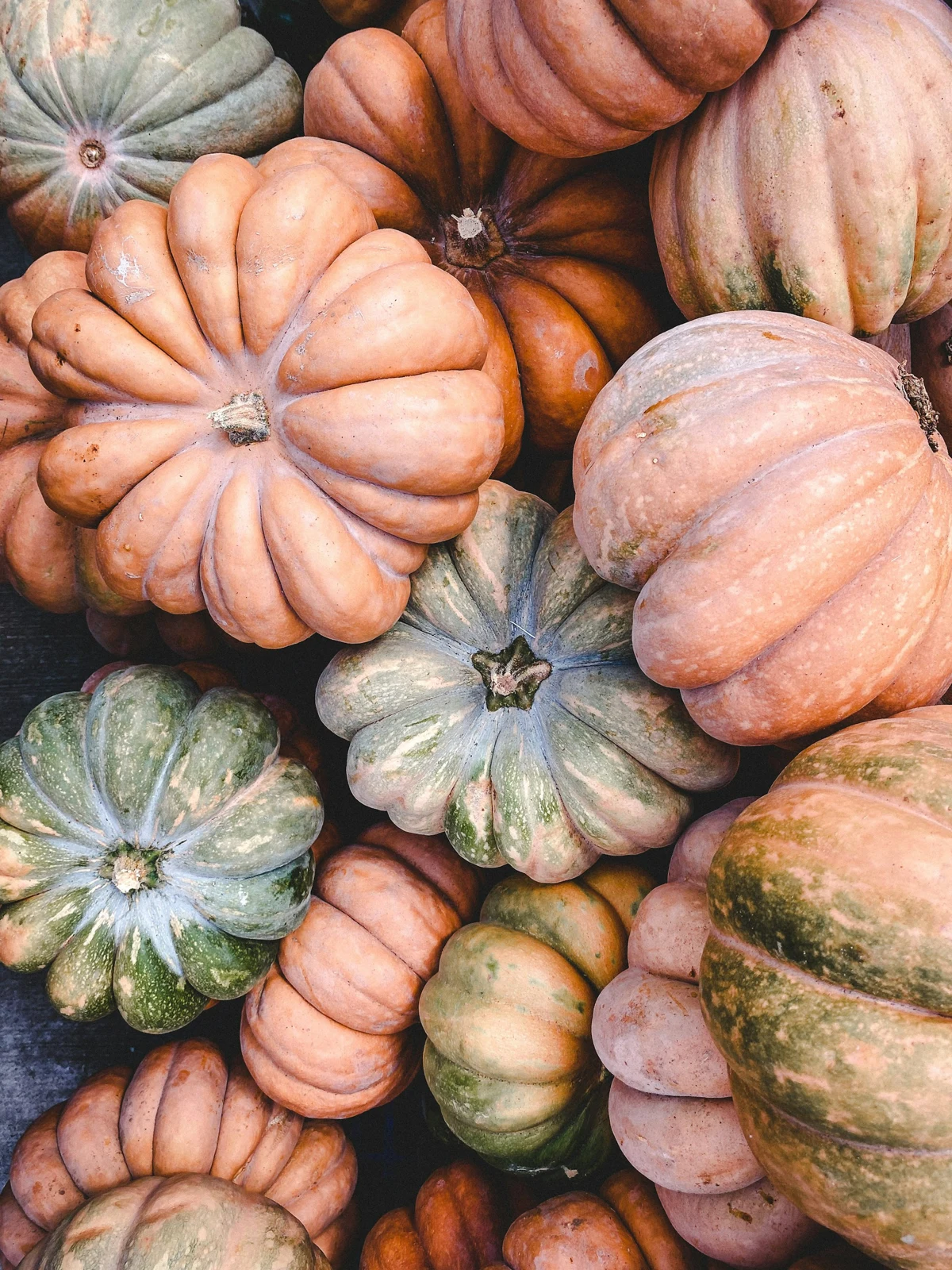 Pumpkins