
Apricot
Research status: AI draft — awaiting expert review


Overview
Apricots are small stone fruits with velvety orange skin, sometimes blushed red, and a single hard pit. Choose fragrant fruit that yields slightly to gentle pressure; avoid mold, leaking juice, or extensive bruising.
Origin & cultivation
Apricots originated in Central Asia and China and spread west through ancient trade routes. Major producing regions include Turkey, Uzbekistan, Iran, the Mediterranean, and parts of China; California supplies much of the U.S. crop.
Season
Fresh apricots are typically available from late spring through midsummer, roughly May–August in the Northern Hemisphere. Southern Hemisphere harvests generally run November–February, while dried and canned apricots are available year-round.
Texture & flavor
Ripe apricots have tender, juicy flesh with a sweet-tart flavor and floral aroma. Underripe fruit is firmer and more acidic; cooking softens the flesh and concentrates its flavor.
Nutrition
Typical values estimated with AI, not yet checked against lab data. For guidance only.
| Energy | 48 kcal | raw, per 100 g edible portion | FoodPulse AI estimate |
| Protein | 1.4 g | raw, per 100 g edible portion | FoodPulse AI estimate |
| Total fat | 0.39 g | raw, per 100 g edible portion | FoodPulse AI estimate |
| Saturated fat | 0.027 g | raw, per 100 g edible portion | FoodPulse AI estimate |
| Carbohydrate | 11.12 g | raw, per 100 g edible portion | FoodPulse AI estimate |
| Dietary fiber | 2 g | raw, per 100 g edible portion | FoodPulse AI estimate |
| Total sugars | 9.24 g | raw, per 100 g edible portion | FoodPulse AI estimate |
| Water | 86.35 g | raw, per 100 g edible portion | FoodPulse AI estimate |
| Calcium | 13 mg | raw, per 100 g edible portion | FoodPulse AI estimate |
| Iron | 0.39 mg | raw, per 100 g edible portion | FoodPulse AI estimate |
| Magnesium | 10 mg | raw, per 100 g edible portion | FoodPulse AI estimate |
| Potassium | 259 mg | raw, per 100 g edible portion | FoodPulse AI estimate |
| Sodium | 1 mg | raw, per 100 g edible portion | FoodPulse AI estimate |
| Zinc | 0.2 mg | raw, per 100 g edible portion | FoodPulse AI estimate |
| Vitamin C | 10 mg | raw, per 100 g edible portion | FoodPulse AI estimate |
| Vitamin A (RAE) | 96 µg | raw, per 100 g edible portion | FoodPulse AI estimate |
| Folate | 9 µg | raw, per 100 g edible portion | FoodPulse AI estimate |
| Vitamin B12 | 0 µg | raw, per 100 g edible portion | FoodPulse AI estimate |
| Cholesterol | 0 mg | raw, per 100 g edible portion | FoodPulse AI estimate |
Glycemic index: Not established.
Apricots provide fiber and carotenoids that the body can convert to vitamin A, but they are not a treatment for disease. Stone-fruit allergies can occur, including pollen-related mouth itching; sulfites in some dried apricots can trigger reactions in sensitive people. Do not eat apricot kernels, which can release cyanide. Educational, not medical advice.
Educational information, not medical advice.
Storage
- Room temperature · Approximately 60–75°F (16–24°C) · Usually 1–3 days, until ripe. Keep whole, unwashed fruit out of direct sunlight and check daily; a loosely closed paper bag can help ripening. Refrigerate once ripe, and discard fruit with mold, leaking decay, or a fermented odor. FoodPulse AI estimate
- Refrigerator · 32–40°F (0–4°C) · Ripe whole fruit: about 3–5 days; cut fruit: 3–4 days. Store whole fruit dry and cut fruit in a covered container. Refrigerate cut fruit within two hours, or one hour above 90°F (32°C); discard if left out longer, or if moldy, slimy, or sour-smelling. FoodPulse AI estimate
- Freezer · 0°F (−18°C) or below · About 8–12 months for best quality. Wash, halve, and pit before freezing in freezer-safe packaging; NCHFP recommends ascorbic acid treatment to help prevent browning. Continuously frozen fruit remains safe beyond the quality window; freezer burn is a quality issue, not a safety hazard. Thaw in the refrigerator and discard if mold or an off odor develops. FoodPulse AI estimate
Preparation
Rinse under cool running water just before use, gently rubbing the skin; do not use soap. Cut around the seam, twist the halves apart, and remove the pit; slice as needed, leaving the edible skin on. Use clean utensils and keep fruit separate from raw meat, poultry, seafood, and their juices.
Cooking
Roast halves at 375°F (190°C) for about 15–25 minutes, or grill over medium heat for roughly 3–5 minutes per side, depending on size and ripeness. For compote, simmer chopped fruit with a little water for about 5–15 minutes, until softened. Add sugar to taste, as tartness varies widely.
Recipes
No verified recipes yet.
Waste less
Keep the skins on for eating, baking, or compote, and cook sound, overripe fruit promptly into sauce or a topping. Refrigerate cooked leftovers within two hours and use within 3–4 days, or freeze. Compost spoiled flesh where accepted; discard pits or check local compost rules, and never crack them for edible kernels.
Food waste tips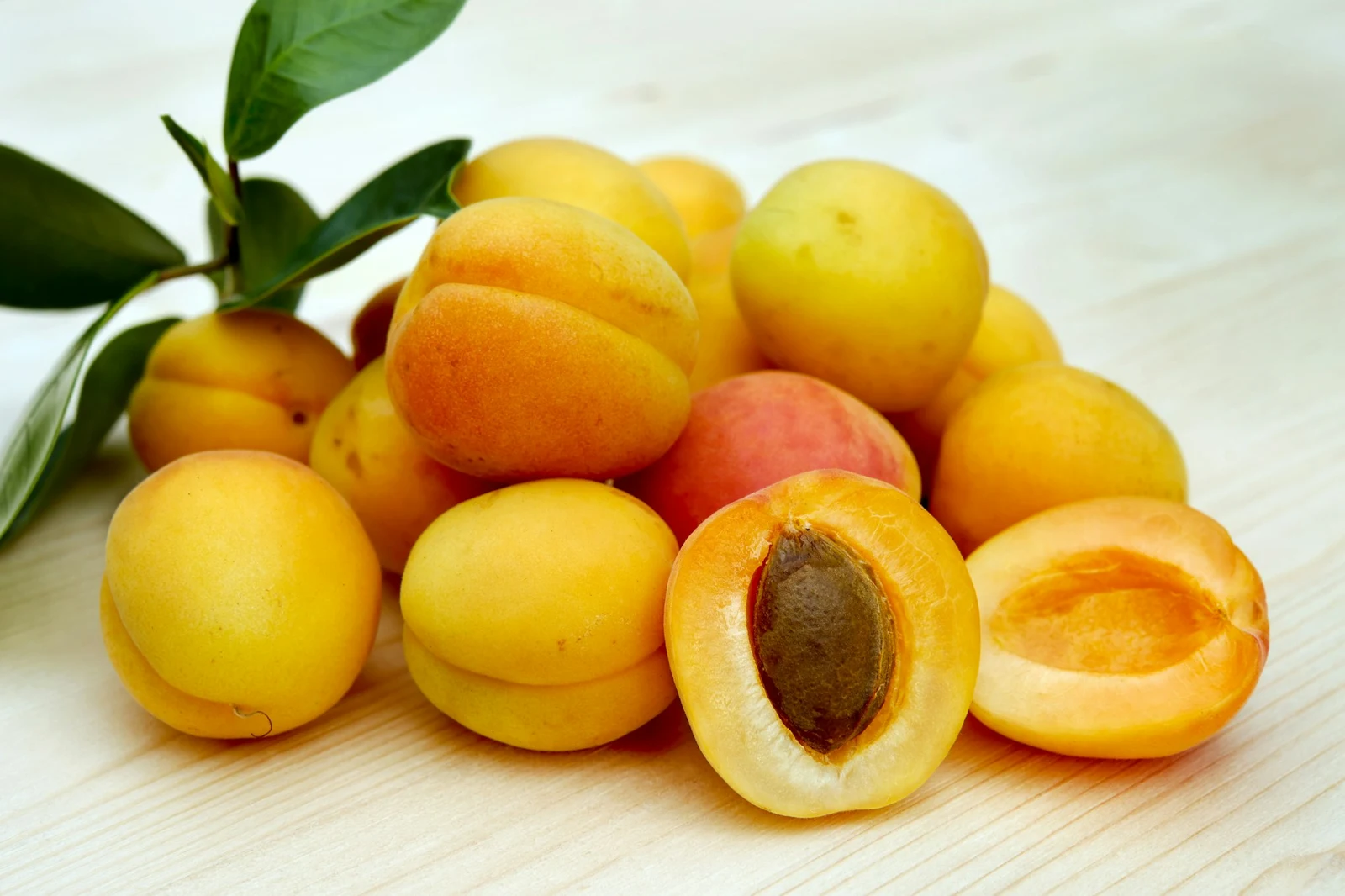 Apricots