
Lychee
Research status: AI draft — awaiting expert review


Overview
Lychee is a small tropical fruit with a rough, pink-red shell surrounding translucent white flesh and a glossy brown seed. Only the flesh is eaten; the shell and seed are not edible.
Origin & cultivation
Lychee originated in southern China and has been cultivated there for centuries. Major producing regions include China, India, Vietnam, Thailand, and other subtropical areas, with smaller crops in places such as Florida and Hawaii.
Season
Fresh lychees are typically available from late spring through summer in the Northern Hemisphere, with timing varying by region. Southern Hemisphere imports may appear in winter; canned and frozen fruit are available year-round.
Texture & flavor
The flesh is juicy, tender, and slightly firm, with a sweet, floral flavor often compared to grapes and roses. Choose plump fruit with intact shells; some shell browning can occur without spoiling the flesh.
Nutrition
Typical values estimated with AI, not yet checked against lab data. For guidance only.
| Energy | 66 kcal | raw, per 100 g edible portion | FoodPulse AI estimate |
| Protein | 0.83 g | raw, per 100 g edible portion | FoodPulse AI estimate |
| Total fat | 0.44 g | raw, per 100 g edible portion | FoodPulse AI estimate |
| Saturated fat | 0.099 g | raw, per 100 g edible portion | FoodPulse AI estimate |
| Carbohydrate | 16.53 g | raw, per 100 g edible portion | FoodPulse AI estimate |
| Dietary fiber | 1.3 g | raw, per 100 g edible portion | FoodPulse AI estimate |
| Total sugars | 15.23 g | raw, per 100 g edible portion | FoodPulse AI estimate |
| Water | 81.76 g | raw, per 100 g edible portion | FoodPulse AI estimate |
| Calcium | 5 mg | raw, per 100 g edible portion | FoodPulse AI estimate |
| Iron | 0.31 mg | raw, per 100 g edible portion | FoodPulse AI estimate |
| Magnesium | 10 mg | raw, per 100 g edible portion | FoodPulse AI estimate |
| Potassium | 171 mg | raw, per 100 g edible portion | FoodPulse AI estimate |
| Sodium | 1 mg | raw, per 100 g edible portion | FoodPulse AI estimate |
| Zinc | 0.07 mg | raw, per 100 g edible portion | FoodPulse AI estimate |
| Vitamin C | 71.5 mg | raw, per 100 g edible portion | FoodPulse AI estimate |
| Vitamin A (RAE) | 0 µg | raw, per 100 g edible portion | FoodPulse AI estimate |
| Folate | 14 µg | raw, per 100 g edible portion | FoodPulse AI estimate |
| Vitamin B12 | 0 µg | raw, per 100 g edible portion | FoodPulse AI estimate |
| Cholesterol | 0 mg | raw, per 100 g edible portion | FoodPulse AI estimate |
Glycemic index: Not established.
Lychees provide vitamin C and carbohydrates, but they are not a treatment for illness. Allergic reactions can occur, including in some people with pollen or latex allergies. Unripe lychees eaten on an empty stomach have been linked to severe low blood sugar, particularly in undernourished children; avoid unripe fruit and do not substitute lychees for meals. Educational, not medical advice.
Educational information, not medical advice.
Storage
- Room temperature · Approximately 60–75°F (16–24°C) · Whole fruit: preferably eat the same day; up to 1–2 days in a cool room. Keep out of direct sunlight; lychees deteriorate quickly and do not become sweeter after harvest. Discard fruit with mold, leaking flesh, slime, or a sour or fermented odor. Refrigerate peeled or cut fruit within 2 hours, or within 1 hour above 90°F (32°C). FoodPulse AI estimate
- Refrigerator · 32–40°F (0–4°C) · Whole fruit: about 5–7 days; peeled or cut fruit: 3–4 days. Store whole fruit dry in a loosely closed or perforated bag; keep peeled fruit in a covered container. Brown shells alone do not indicate spoilage, but discard fruit with mold, slimy flesh, leakage, or an off odor. FoodPulse AI estimate
- Freezer · 0°F (−18°C) or below · Best quality within 6–12 months. Wash, peel, and seed before freezing in airtight freezer containers; tray-freeze first for separate pieces. Continuously frozen fruit remains safe beyond this quality window, though texture softens after thawing. Thaw in the refrigerator and discard if moldy, slimy, or fermented; freezing does not make spoiled fruit safe. FoodPulse AI estimate
Preparation
Rinse whole fruit under running water before peeling; do not use soap or bleach. Break the shell with your fingers, peel it away, then slit or gently pull apart the flesh to remove the seed. Use clean hands and utensils, and keep the fruit separate from raw meat, poultry, seafood, and their juices.
Cooking
Lychees are usually served raw in fruit salads, drinks, or desserts. For a compote, gently simmer peeled, seeded halves for about 2–4 minutes or whole seeded fruit for 4–6 minutes, stopping when just tender. Add them to hot savory dishes during the final 1–2 minutes to preserve their texture.
Recipes
No verified recipes yet.
Waste less
Use all the edible flesh, including pieces torn during peeling, in smoothies, sauces, or ice pops. Refrigerate leftover flesh and juice promptly, or freeze portions before they deteriorate. Compost shells and seeds where accepted, but do not grind seeds into food.
Food waste tips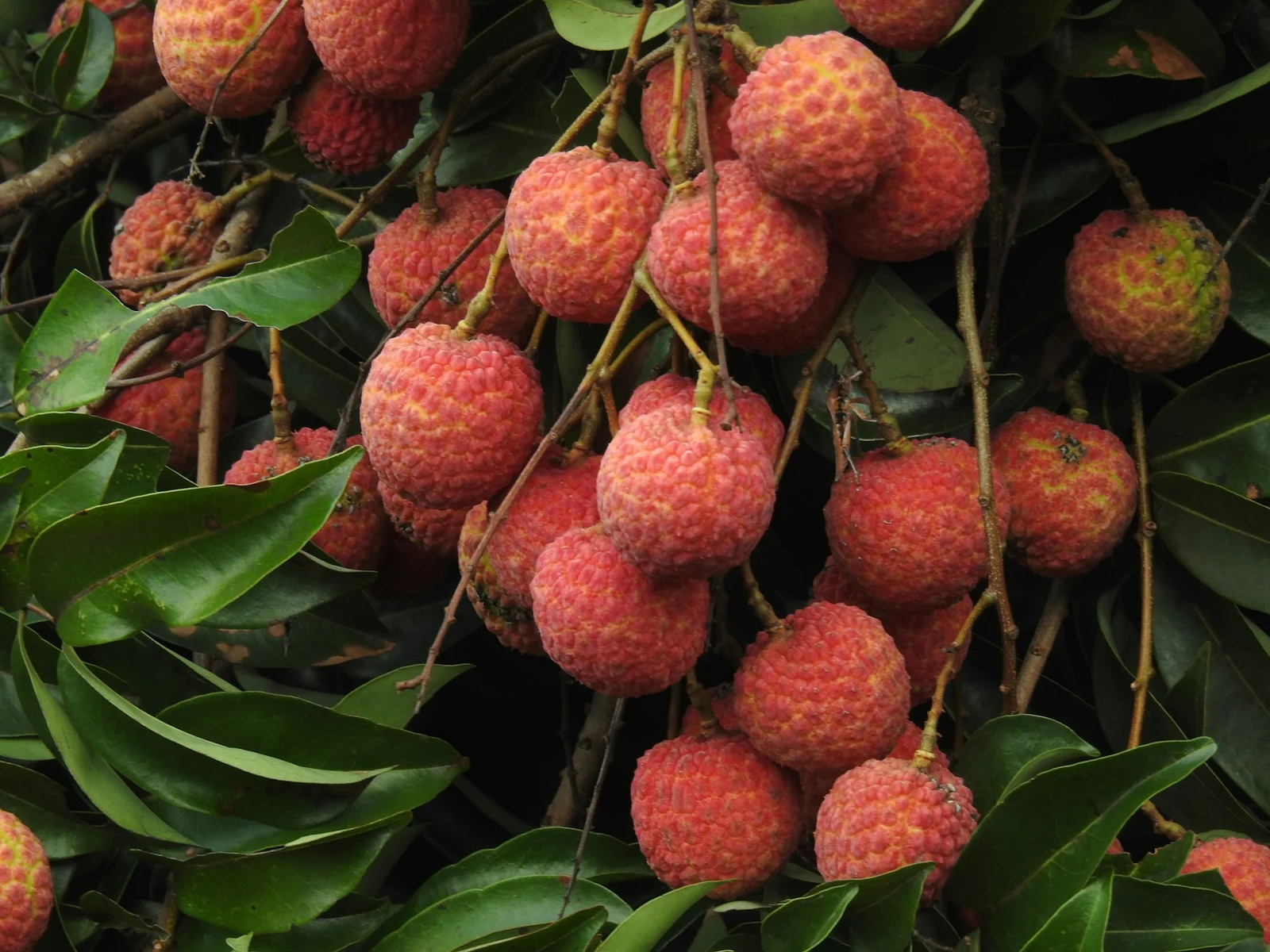 Lychee - Litchi