
Shrimp
Research status: AI draft — awaiting expert review


Overview
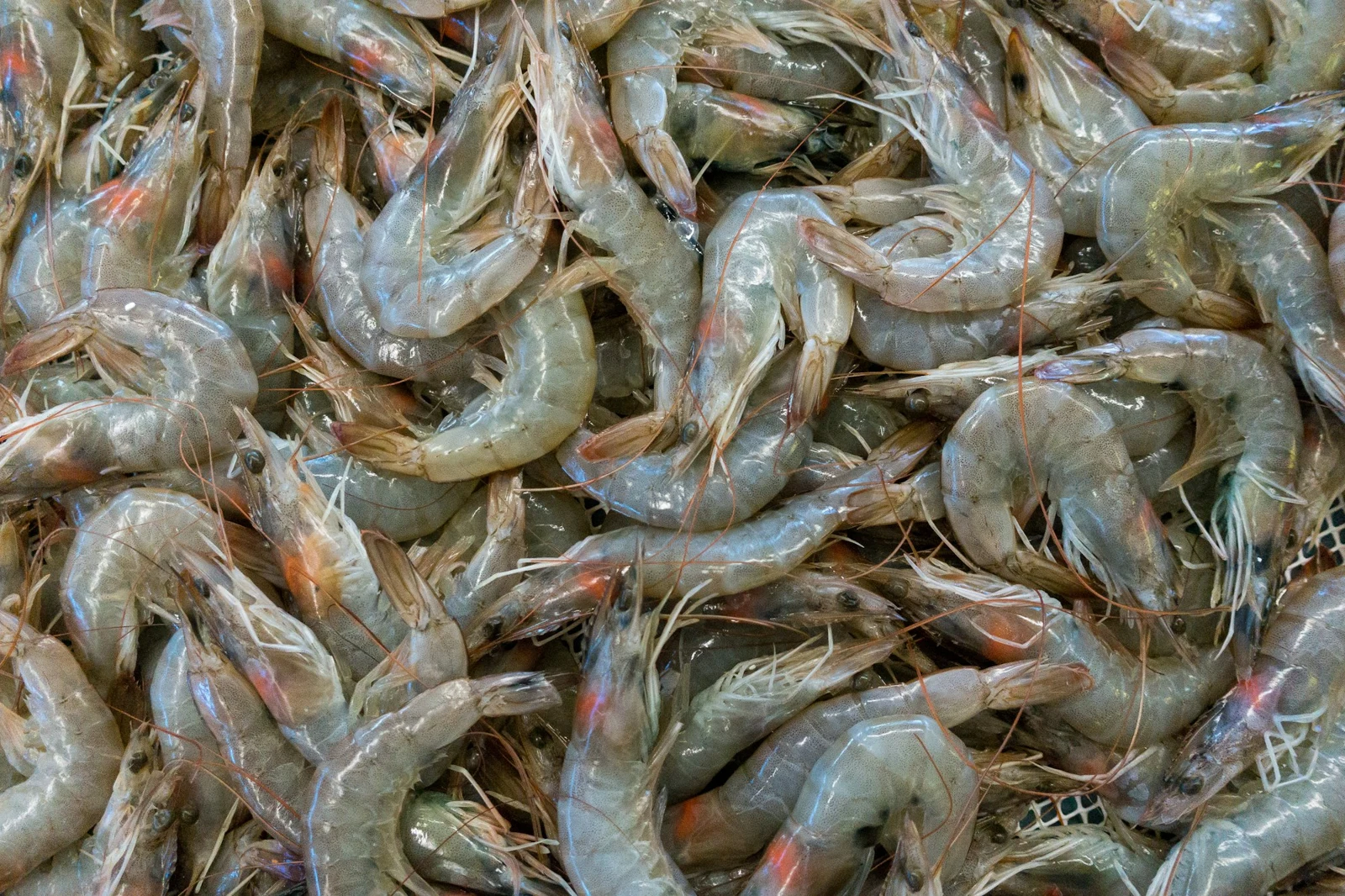
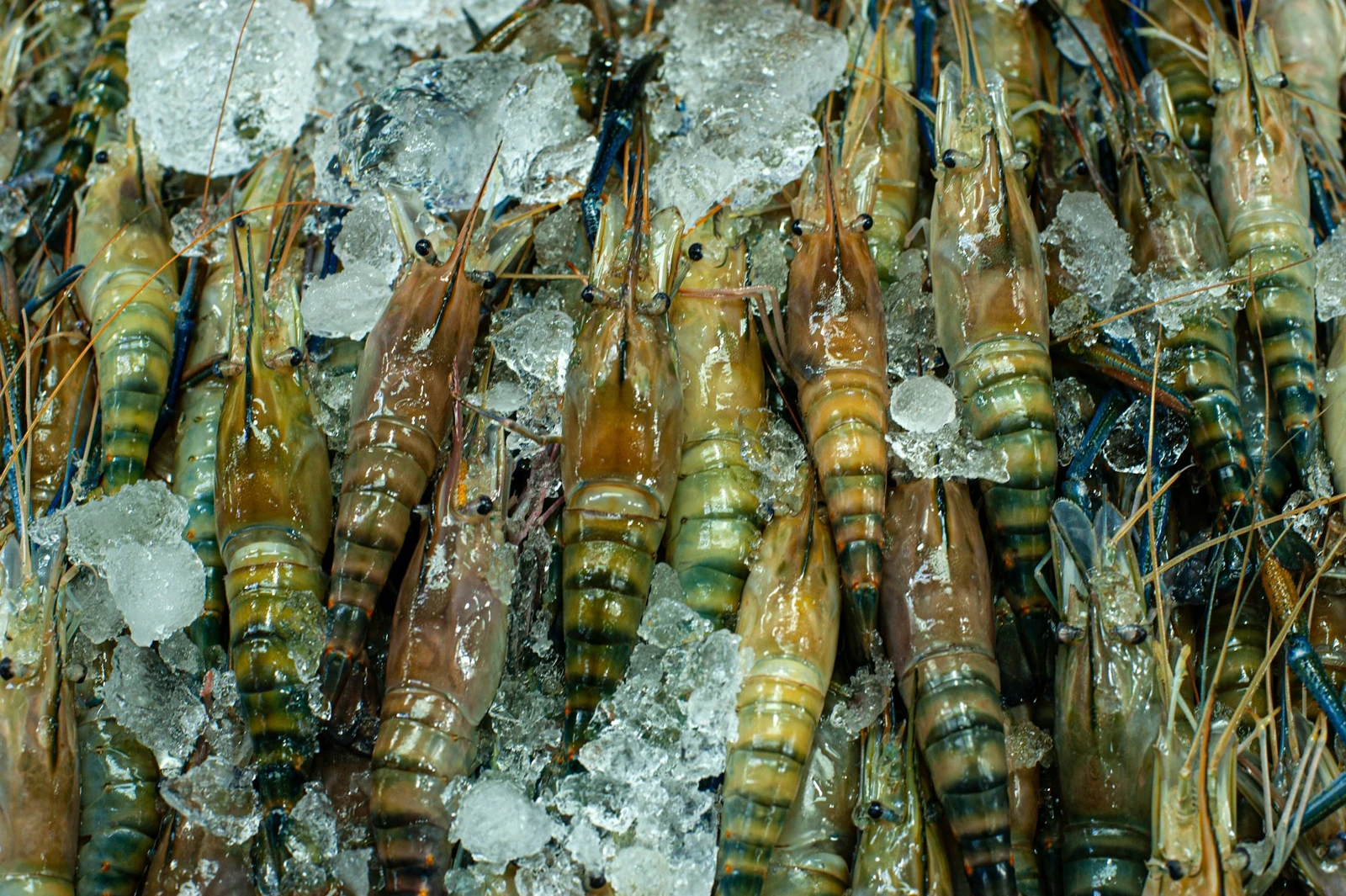
Shrimp are small crustaceans sold fresh or frozen, raw or cooked, and shell-on or peeled. Size labels vary by seller; the count per pound is more useful, with lower counts indicating larger shrimp.
Origin & cultivation
Shrimp come from wild marine and estuarine fisheries and freshwater or coastal aquaculture. Major producing regions include Ecuador, India, China, Vietnam, Indonesia, and Thailand; U.S. fisheries include the Gulf of Mexico and South Atlantic.
Season
Frozen shrimp are available year-round, and farmed supplies make fresh availability relatively steady. Wild harvest seasons vary by species, location, and fishery rules, so check local sources for seasonal catches.
Texture & flavor
Shrimp have a mild, sweet, slightly briny flavor and a tender, springy texture when properly cooked. Overcooking makes them rubbery, while shells add flavor to stocks and sauces.
Nutrition
Typical values estimated with AI, not yet checked against lab data. For guidance only.
| Energy | 85 kcal | raw, per 100 g edible portion | FoodPulse AI estimate |
| Protein | 20.1 g | raw, per 100 g edible portion | FoodPulse AI estimate |
| Total fat | 0.51 g | raw, per 100 g edible portion | FoodPulse AI estimate |
| Saturated fat | 0.101 g | raw, per 100 g edible portion | FoodPulse AI estimate |
| Carbohydrate | 0 g | raw, per 100 g edible portion | FoodPulse AI estimate |
| Dietary fiber | 0 g | raw, per 100 g edible portion | FoodPulse AI estimate |
| Total sugars | 0 g | raw, per 100 g edible portion | FoodPulse AI estimate |
| Water | 78.45 g | raw, per 100 g edible portion | FoodPulse AI estimate |
| Calcium | 64 mg | raw, per 100 g edible portion | FoodPulse AI estimate |
| Iron | 0.52 mg | raw, per 100 g edible portion | FoodPulse AI estimate |
| Magnesium | 35 mg | raw, per 100 g edible portion | FoodPulse AI estimate |
| Potassium | 264 mg | raw, per 100 g edible portion | FoodPulse AI estimate |
| Sodium | 119 mg | raw, per 100 g edible portion | FoodPulse AI estimate |
| Zinc | 1.34 mg | raw, per 100 g edible portion | FoodPulse AI estimate |
| Vitamin C | 0 mg | raw, per 100 g edible portion | FoodPulse AI estimate |
| Vitamin A (RAE) | 54 µg | raw, per 100 g edible portion | FoodPulse AI estimate |
| Folate | 0 µg | raw, per 100 g edible portion | FoodPulse AI estimate |
| Vitamin B12 | 1.11 µg | raw, per 100 g edible portion | FoodPulse AI estimate |
| Cholesterol | 161 mg | raw, per 100 g edible portion | FoodPulse AI estimate |
Glycemic index: Not applicable / not meaningful (very little carbohydrate).
Shrimp provide protein, vitamin B12, selenium, and iodine, and are generally a lower-mercury seafood choice. Sodium can be high in brined or phosphate-treated products, so compare labels; shrimp are also a major crustacean shellfish allergen, and raw or undercooked shrimp can carry harmful microbes. Educational, not medical advice.
Educational information, not medical advice.
Storage
- Room temperature · Above 40°F (4°C); especially above 90°F (32°C) · No more than 2 hours total, or 1 hour above 90°F (32°C). These are handling limits, not storage recommendations. Discard shrimp that exceed them even if they smell normal; odor and appearance cannot reliably reveal harmful bacteria. FoodPulse AI estimate
- Refrigerator · 32–40°F (0–4°C) · Raw: 1–2 days; cooked: 3–4 days. Keep covered; place raw shrimp in a leakproof container on the lowest shelf. Discard shrimp with sour, rancid, or ammonia-like odors, unusual slime, or mold, and do not taste to check safety. FoodPulse AI estimate
- Freezer · 0°F (−18°C) or below · Raw: 6–18 months for best quality; cooked: about 3 months for best quality. Package airtight and date portions; continuously frozen shrimp remain safe indefinitely, though quality declines. Freezer burn is a quality defect, not a safety hazard; discard thawed shrimp held above 40°F (4°C) for more than 2 hours or showing spoilage signs. FoodPulse AI estimate
Preparation
Thaw in the refrigerator, or in a leakproof bag in cold water changed every 30 minutes; cook immediately after cold-water or microwave thawing. Peel if desired, then make a shallow cut along the back to remove the intestinal tract; leave whole or cut as your recipe requires. Routine washing is unnecessary and can spread splashes; if removing visible grit requires rinsing, use gentle cold running water and clean the sink afterward. Wash hands with soap for 20 seconds, and keep raw shrimp, utensils, and cutting boards separate from ready-to-eat foods.
Cooking
Sauté, grill, broil, steam, or simmer thawed shrimp; small to medium shrimp often take 2–4 minutes total, while large or jumbo shrimp may take 4–7 minutes, depending on heat and method. USDA guidance is to cook seafood to 145°F (63°C); check the thickest part with a food thermometer where practical, and look for pearly, opaque flesh. Reheat leftovers to 165°F (74°C), and add already-cooked shrimp near the end of a dish to limit toughening.
Recipes
Kerala-Inspired Coconut Shrimp with Green Mango · 30 min · serves 4
An original home-style curry pairing sweet shrimp with tart green mango, coconut milk, curry leaves, and a gentle mustard-seed tempering.
Ingredients
- 1 lb (450 g) raw shrimp, peeled and deveined
- 1 tablespoon coconut oil
- 1 teaspoon black mustard seeds
- 12 fresh curry leaves, washed and thoroughly dried
- 1 medium onion, thinly sliced
- 1 tablespoon finely grated fresh ginger
- 3 garlic cloves, minced
- 1 small green chile, slit lengthwise
- 1/2 teaspoon ground turmeric
- 1 teaspoon ground coriander
- 1 small firm green mango, peeled and cut into thin matchsticks (about 1 cup)
- 1 can (13.5 fl oz / 400 ml) unsweetened coconut milk
- 1/2 cup (120 ml) water
- 3/4 teaspoon fine salt
- 3 cups cooked basmati rice, hot, for serving
Steps
- Pat the shrimp dry with paper towels and refrigerate while you prepare the curry base.
- Heat the coconut oil in a wide saucepan over medium heat. Add the mustard seeds and let them begin to pop, about 30 seconds. Carefully add the dried curry leaves, shielding yourself from any splattering.
- Add the onion and cook for 6 minutes, stirring occasionally. Stir in the ginger, garlic, and green chile and cook for 1 minute.
- Add the turmeric and coriander, stir for 20 seconds, then add the mango, coconut milk, water, and salt.
- Bring to a gentle simmer and cook uncovered for 6–8 minutes, until the mango is tender but still holds its shape.
- Add the shrimp and gently simmer for 3–5 minutes, turning once, until the thickest part reaches 145°F (63°C). Avoid a vigorous boil.
- Remove the whole chile if desired and serve the curry over the hot basmati rice.
Safety: Contains crustacean shellfish and coconut. Cook shrimp to 145°F (63°C), checking the thickest part with a food thermometer. Refrigerate curry and rice in separate shallow containers within 2 hours, or within 1 hour if the ambient temperature exceeds 90°F (32°C). Store at 40°F (4°C) or below, use within 3–4 days, and reheat leftovers to 165°F (74°C).
Recipe written with AI by FoodPulse — check it before cooking.
Waste less
Simmer clean shells and heads from properly refrigerated shrimp into stock, then strain and promptly chill or freeze it. Use refrigerated cooked leftovers within 3–4 days in soups, rice dishes, or salads, reheating hot dishes to 165°F (74°C). Shrimp scraps generally do not belong in home compost because they attract pests; use a municipal program only if it accepts seafood waste.
Food waste tips Food Allergies
 Shrimp
 Shrimp - Prawns